3 Useful Radio Resources for Streaming Live
Even in a world of Spotify, YouTube, Podcasts, etc – I still think radio is deeply underrated as a communications…
Even in a world of Spotify, YouTube, Podcasts, etc – I still think radio is deeply underrated as a communications…
If you actually care about an open web, about real privacy, about making sure one company doesn’t control the entire internet – Firefox is still the only real choice.
Pollan has a rare talent. He goes beyond journalism into something harder to name — a deep, patient synthesis of science, history, and lived experience that makes even the most tangled topics feel useful and graspable. He did it with food in The Omnivore’s Dilemma. He did it with drugs. And A World Appears is him doing it with the biggest, strangest question of all: what is it actually like to have a mind?
Debord’s central argument is that the “spectacle” goes well beyond what most of us picture when we hear that word — the Super Bowl, the Olympics, a presidential election. He argues that any representation of the world that turns people into passive spectators qualifies.
A Strangeness in My Mind by Orhan Pamuk is one of the Top 5 best novels I’ve ever read.
Sarah Decker went out and photographed and documented every single shelter on the Appalachian Trail — all 2,200 miles of it. The result is a beautiful, deeply niche reference book that, for the right reader, is an absolute treasure.
Great Hiking Trails of the World by Karen Berger is a coffee table reference book put out by Rizzoli. I’ve collected nine of these Rizzoli books now, and they’re all lovely — the kind of thing you keep on the coffee table not as decoration but because you actually flip through them.
Pagels is one of the original researchers of the Nag Hammadi manuscripts and a lot of the Coptic and Gnostic texts that scholars are still working through today. She’s been doing serious, primary-source work in this space for decades. I did not know she was still actively publishing so it’s genuinely impressive to see her add another strong book to an already massive bibliography.
The premise is straightforward: if history happened in real places, you can go stand in those places. And when you do, history stops being a mental movie and starts feeling like what it actually was — real people, real terrain, probably a lot more boring and weird than your imagination gives it credit for.
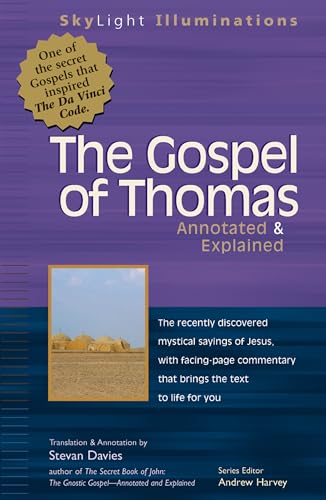
I picked up the Gospel of Thomas recently while working through Diarmaid MacCulloch’s Christianity: The First Three Thousand Years. I hadn’t read the Gospel of Thomas in a very long time, and MacCulloch’s treatment of the early church controversies reminded me just how much insight this text provides.
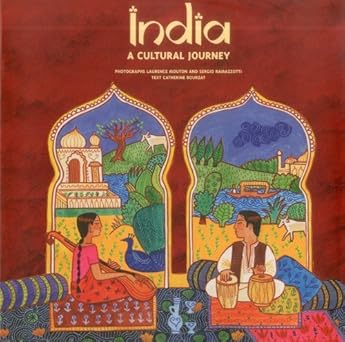
India: A Cultural Journey is a coffee table reference book — large-scale photography paired with written context at the opening of each chapter. It’s not a history. It’s not a travel guide. It’s more of a visual immersion into what India looks and feels like culturally.
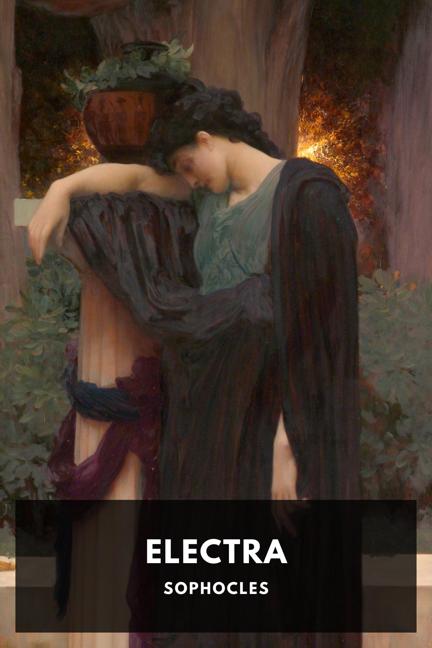
Electra follows the family of Agamemnon after the Battle of Troy — specifically his daughter Electra, who is consumed by grief and rage over her father’s murder and her desire for justice.
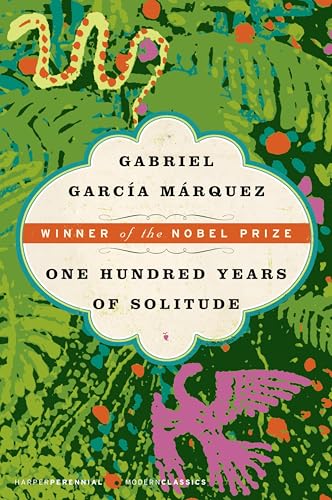
I picked this one up at the library with a pretty specific checklist in mind: I wanted a long novel, a Latin American novel, and something with a thread of magical realism running through it. I already love the way magical realism shows up in Haruki Murakami, and I’ve always had a soft spot for Southern Gothic — so a book that pulls both of those threads into a sweeping multigenerational epic seemed like it would check every box.
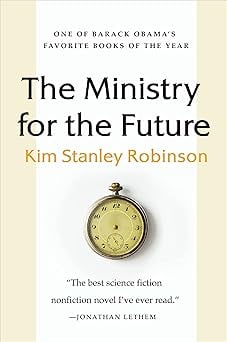
The Ministry for the Future is one of the better science fiction novels about climate change that I’ve read. It’s fast-paced, well-written, and grounded in realistic scenarios. The setting works. The characters work. The whole thing works.
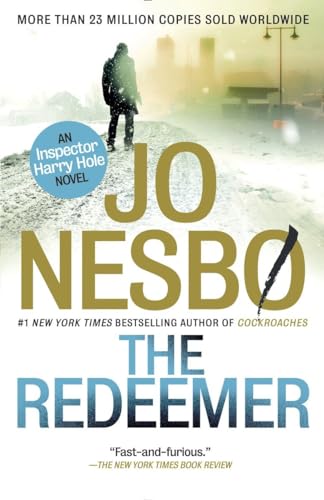
The Redeemer is not Nesbø at his absolute best, but “not his best” for Nesbø still means it’s a very good book. The plot pulls Harry Hole into the world of the Salvation Army, a contract killing, and a web of secrets that gets darker the further in you go.
If you’ve read How to Talk So Kids Will Listen & Listen So Kids Will Talk (also by Faber), you already know the format: real-world scenarios, illustrated examples, and a very practical, non-preachy tone. Siblings Without Rivalry follows the same approach and lands just as well.
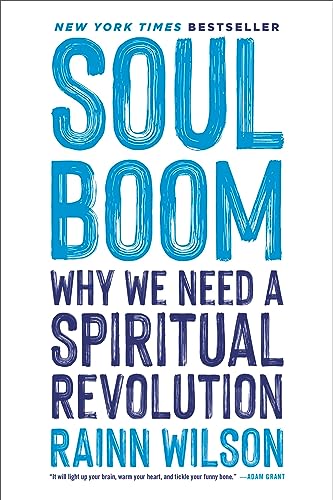
I stumbled across Rainn Wilson’s podcast Soul Boom the way I stumble across most things I didn’t know I was interested in — serendipitously. One episode led to another, and after just a few episodes I had a decent sense of what he’s been up to since The Office wrapped. The short version: he’s been on a genuine, years-long mission to make big philosophical and spiritual questions feel normal to talk about. Soul Boom is the book version of that mission.
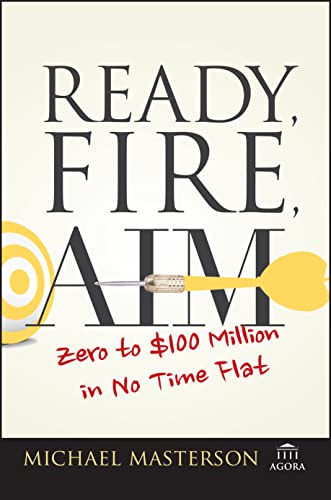
Back when I was a freshman in college, I picked up Ready, Fire, Aim by Michael Masterson (a pen name) while falling down a very specific rabbit hole — the world of 1980s South Florida hustle-culture business people. Mail order, media, direct response marketing. Not exactly the role models section of a business school syllabus. But it’s one that I picked up – and stuck with me.
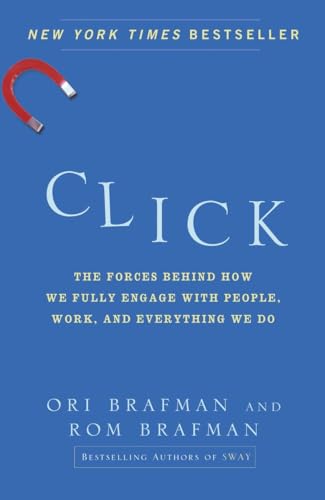
Click by Ori and Rom Brafman is a fun, fast little pop science book about why some relationships just…click. Why do some people go from strangers to fast friends in an afternoon while others stay awkward acquaintances for years?
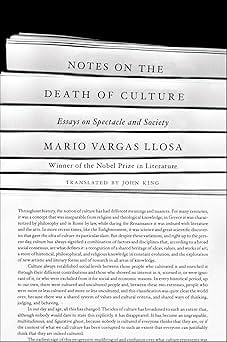
I pulled Notes on the Death of Culture by Mario Vargas Llosa off a library shelf somewhat serendipitously after reading…
*like, sometimes I publish…a lot :O – though you can pick what categories you want.
Ahh…I see you’re up for some extra inconvenience. Some Type 2 Internet Fun, if you will. Well then! Follow me with your favorite Fediverse app or server (e.g., Threads, Mastodon, Pixelfed, etc).

I’m Nate Shivar from Atlanta, Georgia, USA. I love nature, public lands, Atlanta, books, and the old-school Internet.