A Happy Death by Albert Camus

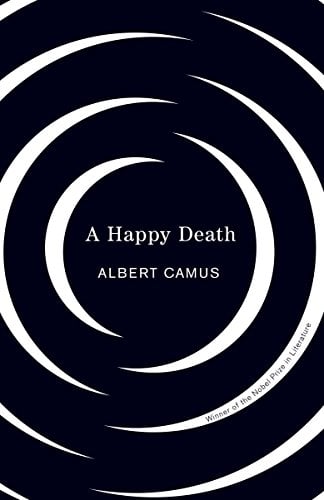
A Happy Death by Albert Camus is essentially a prequel to The Stranger — and it’s best understood that way.
The protagonist is unmistakably the same character as Meursault. Same detachment, same refusal to claim responsibility for anything, same inability to attach himself to the people and moments around him. Reading A Happy Death first would be interesting, but reading it after The Stranger is where it really pays off. You get to see where that character came from and how he developed.
What makes both books so compelling is how Camus captures a very specific emotional texture — restlessness even in pleasure, alienation even in company, longing even in success. The character is never quite present. There is always a kind of nostalgia or wistfulness, as if he is mourning something he never actually had. It’s a hard feeling to pin down, and Camus does it with remarkably spare language.
What I Liked
Camus’ ability to evoke atmosphere and character with so few words is on full display here. Even in an early, less polished novel, you can see the talent. He builds a mood — that particular feeling of being on the outside of your own life — and holds it across the whole book.
It’s also genuinely interesting as a companion piece. A Happy Death fills in the edges of The Stranger and gives you a lot more appreciation for how deliberately Camus developed his ideas.
What I Didn’t Like
The plot isn’t as tight as The Stranger, and the character doesn’t have the same depth. Where The Stranger builds toward a real tragedy that forces the themes into sharp focus, A Happy Death is more wistful and meandering. That’s not entirely a flaw — it fits the mood — but it does make the novel feel like a draft more than a finished work. Which, to be fair, it essentially was.
Verdict
If you’re a Camus fan, it’s worth reading. It doesn’t stand on its own the way The Stranger does, but as a window into how his best work came together, it’s a rewarding read.
- Camus' signature ability to evoke atmosphere and character with spare, precise language is already fully present
- A rewarding companion piece that deepens your appreciation for The Stranger
- Captures a uniquely specific emotional state — never present, always longing — with remarkable consistency
- Plot is looser and less purposeful than The Stranger
- Character lacks the depth and development of Meursault
- Reads more like a draft than a finished novel — because it essentially was one