Howdy! I’m Nate. This is my personal blog: notes on books, public lands, the Internet, and whatever I’m thinking about.
New here? Start with a few favorites, read about me, or explore!
Looking for my web & marketing work? → Shivar Consulting
-
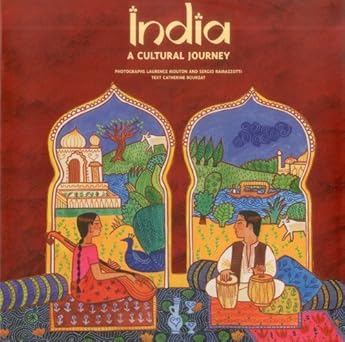
India: A Cultural Journey is a coffee table reference book — large-scale photography paired with written context at the opening of each chapter. It’s not a history. It’s not a travel guide. It’s more of a visual immersion into what India looks and feels like culturally.
-
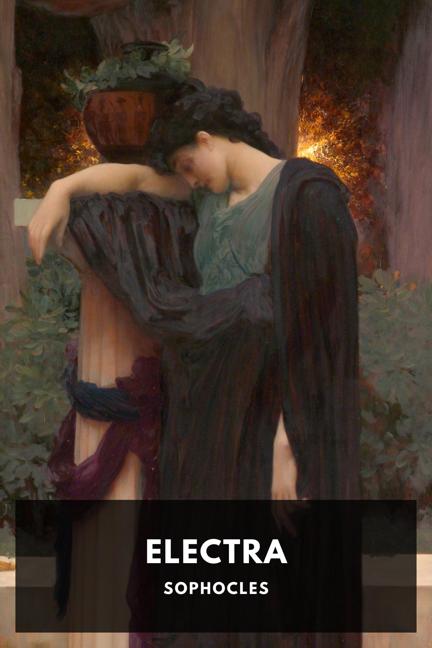
Electra follows the family of Agamemnon after the Battle of Troy — specifically his daughter Electra, who is consumed by grief and rage over her father’s murder and her desire for justice.
-
I picked this one up at the library with a pretty specific checklist in mind: I wanted a long novel, a Latin American novel, and something with a thread of magical realism running through it. I already love the way magical realism shows up in Haruki Murakami, and I’ve always had a soft spot for Southern Gothic — so a book that pulls both of those threads into a sweeping multigenerational epic seemed like it would check every box.
-
I love America more than any other country in this world, and, exactly for this reason, I insist on the right to criticize her perpetually. -James Baldwin
-
The Ministry for the Future is one of the better science fiction novels about climate change that I’ve read. It’s fast-paced, well-written, and grounded in realistic scenarios. The setting works. The characters work. The whole thing works.
-
The Redeemer is not Nesbø at his absolute best, but “not his best” for Nesbø still means it’s a very good book. The plot pulls Harry Hole into the world of the Salvation Army, a contract killing, and a web of secrets that gets darker the further in you go.
-
If you’ve read How to Talk So Kids Will Listen & Listen So Kids Will Talk (also by Faber), you already know the format: real-world scenarios, illustrated examples, and a very practical, non-preachy tone. Siblings Without Rivalry follows the same approach and lands just as well.
-
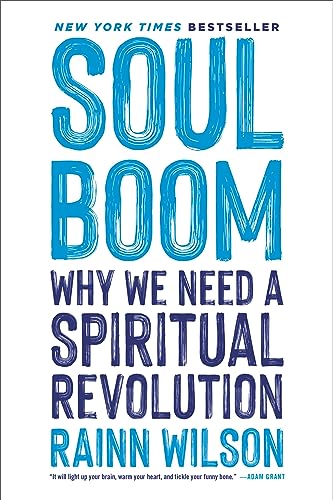
I stumbled across Rainn Wilson’s podcast Soul Boom the way I stumble across most things I didn’t know I was interested in — serendipitously. One episode led to another, and after just a few episodes I had a decent sense of what he’s been up to since The Office wrapped. The short version: he’s been on a genuine, years-long mission to make big philosophical and spiritual questions feel normal to talk about. Soul Boom is the book version of that mission.
-
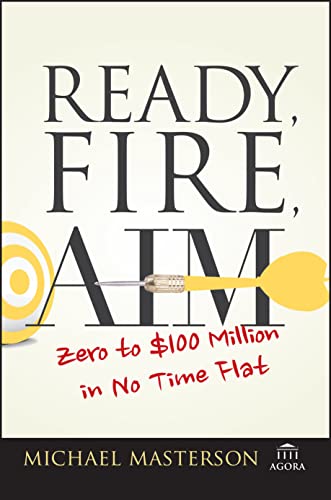
Back when I was a freshman in college, I picked up Ready, Fire, Aim by Michael Masterson (a pen name) while falling down a very specific rabbit hole — the world of 1980s South Florida hustle-culture business people. Mail order, media, direct response marketing. Not exactly the role models section of a business school syllabus. But it’s one that I picked up – and stuck with me.
-
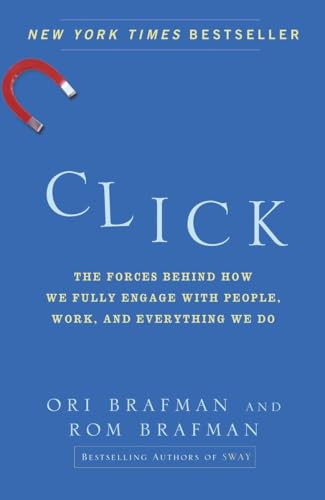
Click by Ori and Rom Brafman is a fun, fast little pop science book about why some relationships just…click. Why do some people go from strangers to fast friends in an afternoon while others stay awkward acquaintances for years?
-
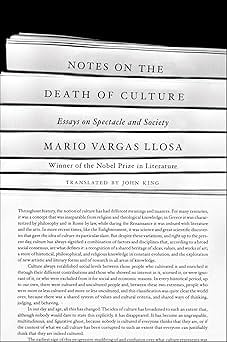
I pulled Notes on the Death of Culture by Mario Vargas Llosa off a library shelf somewhat serendipitously after reading…
-
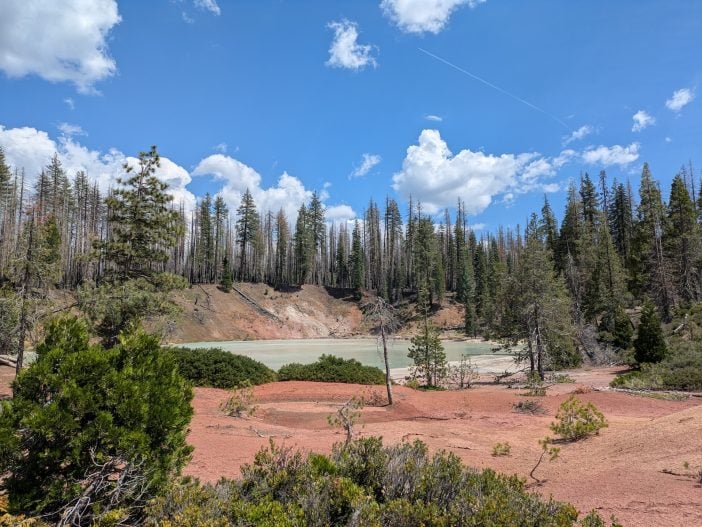
Boiling Springs Lake in Lassen Volcanic National Park is exactly what the name says. It’s absolutely fascinating to see. It’s accessed via a short hike up the Warner Valley. Also, the Pacific Crest Trail goes right by it!
-
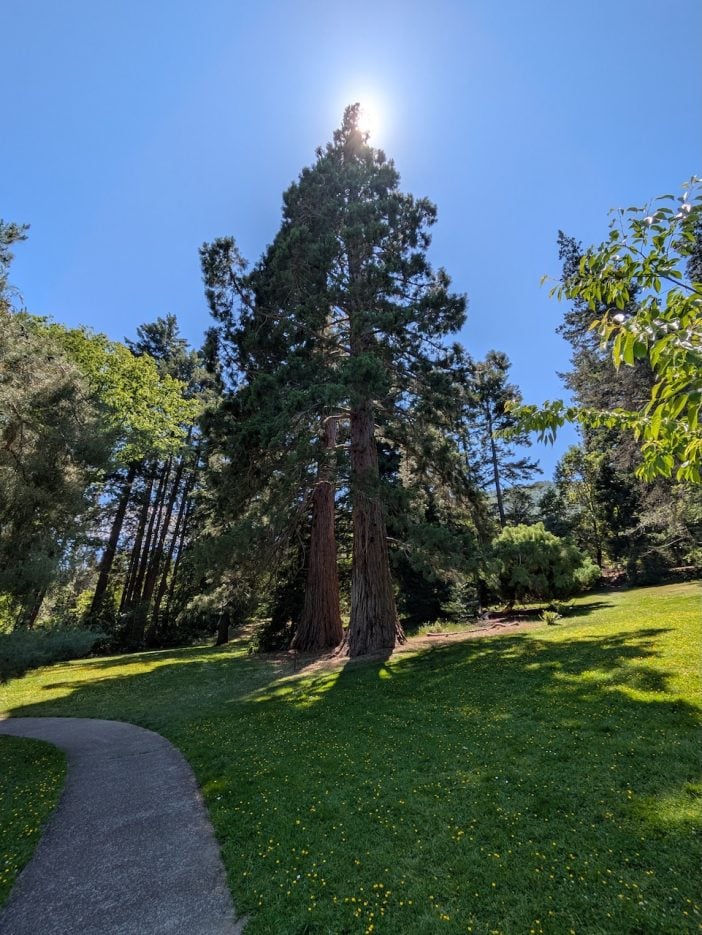
I stopped by Lithia Park in Ashland, Oregon on my way Crater Lake National Park. First off, they have the loveliest city park. It’s great. Second, they have a small but perfect Japanese Garden (I’m a huge fan of Japanese Gardens). But third, near the Japanese Garden, they have a full-grown Sequoia tree!
-
Lands of the Western National Forests by Robert Mullenbach is a directory-style reference book covering the national forests west of…
-
The Natural Navigator by Tristan Gooley is part of a trilogy — alongside How to Read Water and How to Read Nature — and the whole series is about learning to read the world around you rather than a screen in your hand.
-
How to Read Water by Tristan Gooley is the third book in his natural navigation trilogy, alongside The Natural Navigator…
-
How to Read Nature is the third book in Tristan Gooley’s nature-reading trilogy, alongside The Natural Navigator and How to…
-
On my visit to Redwood National Park, I learned that Redwoods generally grow in a grove around a “mother tree” – so you’ll often get this cluster of tall trees around a mega tall tree…or a giant shaded circle where the “mother” used to stand.
-
The premise of Wealth Ladder is deceptively simple: the rules of personal finance depend on what wealth tier you’re currently in.
-
I picked up The Best American Short Stories 2015 at a used bookstore sale. The price was right, the premise was appealing – a curated collection of the best short fiction published that year – and I’ve always been curious about the short story as a format.