Georgia
-
-
5 Notes on Georgia State Astronomy’s Observatory Nights
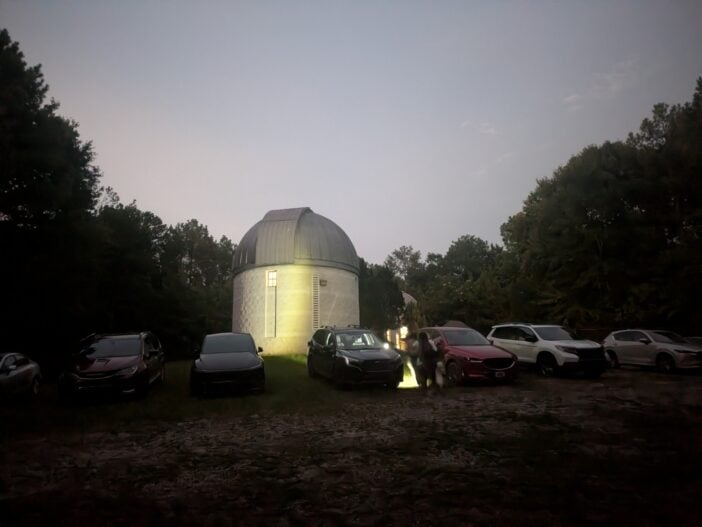
Georgia State University owns an observatory in Hard Labor Creek State Park, about an hour east of Atlanta. It is operated by their Physics and Astronomy Department, and they open it to the public once a month, usually from April until October. You can see the listings on their website and their Facebook page.
This August, I decided to go out and see what it was all about.
-
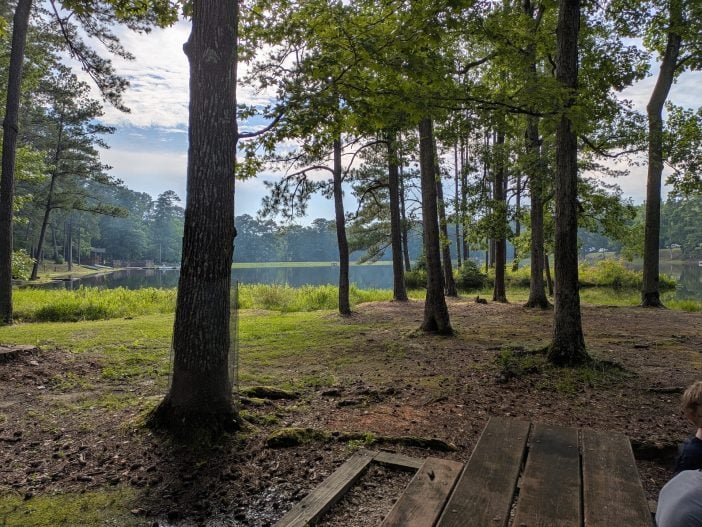
Lake Delanor at FD Roosevelt State Park in Georgia
Lake Delanor is a man-made lake at the center of Roosevelt State Park’s cabin & campground area. It connects to the Pine Mountain Trail system and the picnic area. It’s lovely, peaceful, and a perfect setting for cabins & camping.
-
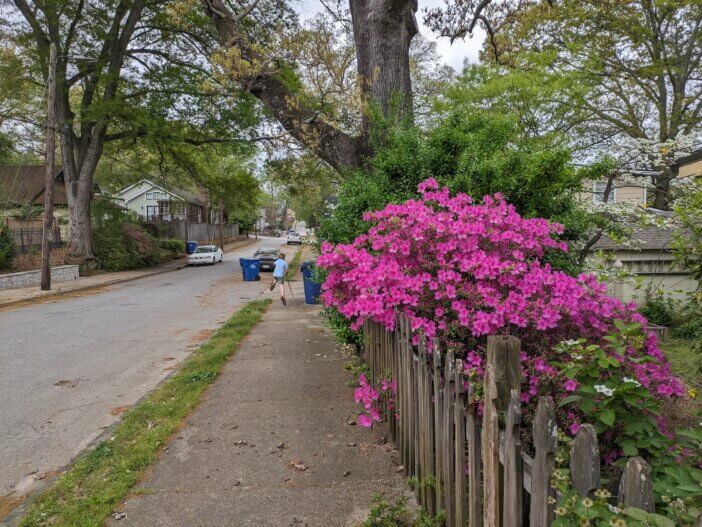
Pink Azaleas
Spring in Georgia brings azalea and dogwood blooms. They never get old.
-
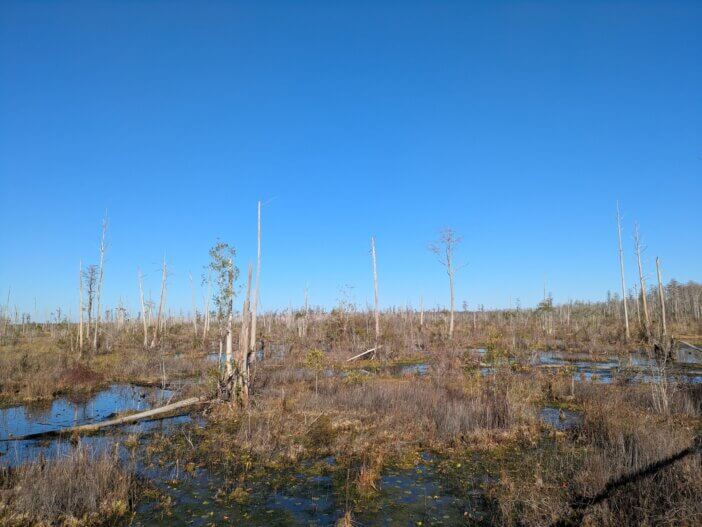
Prairie in the Okefenokee Swamp
I always imagined the Okefenokee Swamp to be mostly dark, green, cypress forest. It’s not. It’s mostly open “prairie” covered in a couple feet of water. It’s beautiful, haunting, and full of life. But the lack of trees really gives a sense of how big the place is.
-
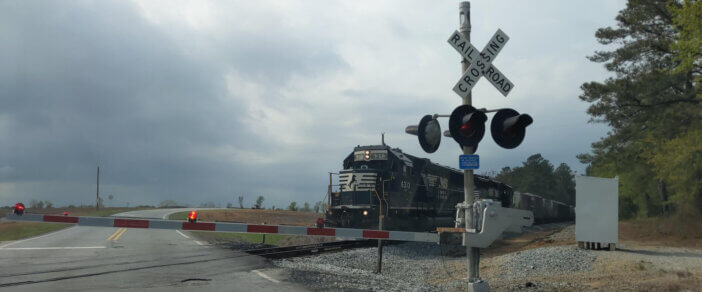
Norfolk Southern Train in Middle Georgia|Norfolk Southern Freight Train in Rural Georgia
I was driving along Georgia Highway 16 in Warren County, and got stopped by a Norfolk Southern train.
-
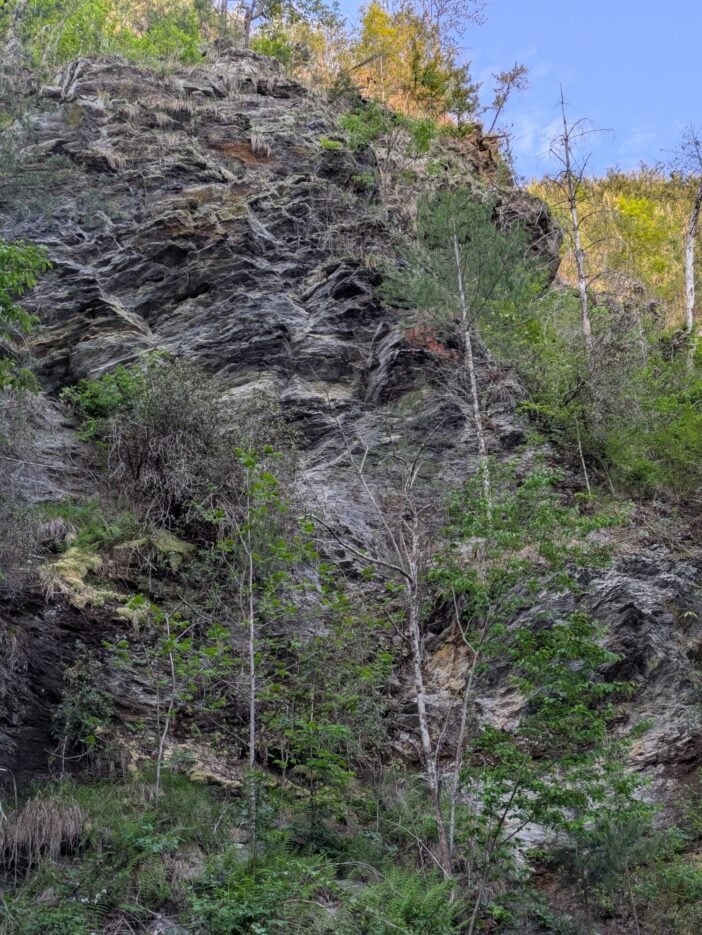
Ancient Rock Formation in the Cohutta Wilderness
The Cohutta Wilderness protects some of the oldest land in North America as part of the Ocoee Supergroup.
-
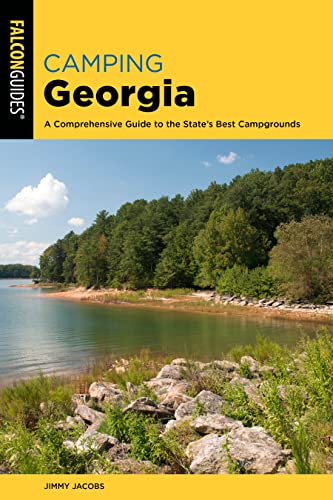
Camping Georgia by Jimmy Jacobs
Camping Georgia by Jimmy Jacobs is a Falcon Guide focused on finding good tent camping spots at established campgrounds throughout Georgia.
-
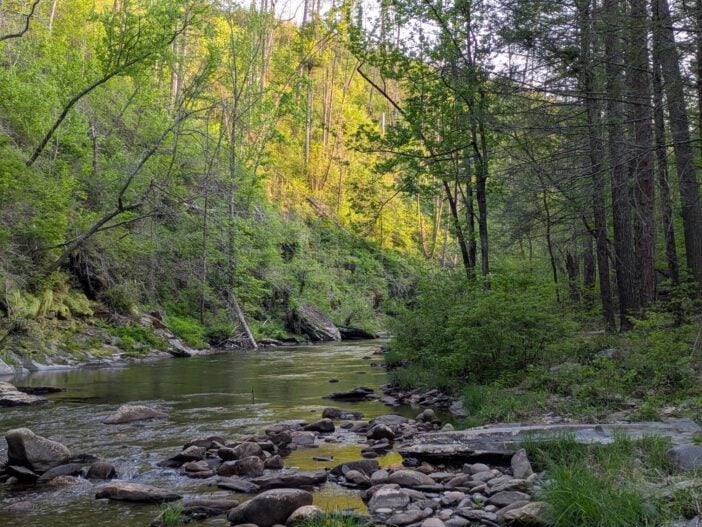
Bend on the Conasauga River
Georgia’s Conasauga River is one of the loveliest rivers I’ve ever seen.
-
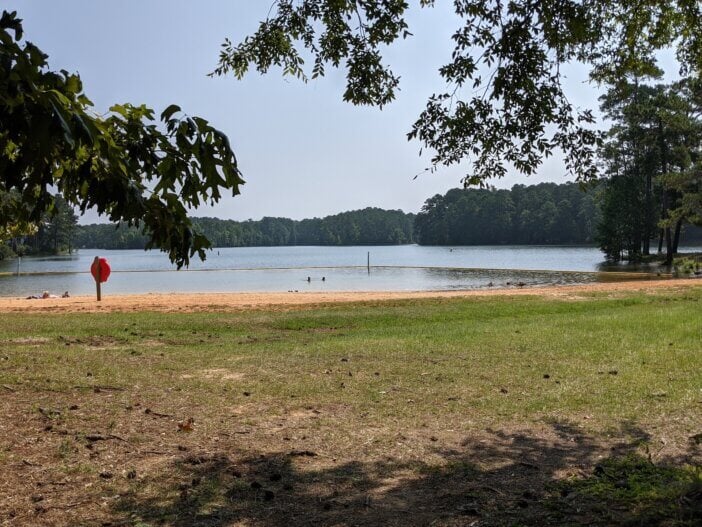
The Beach at Mistletoe State Park
Mistletoe State Park is a underrated little Georgia State Park near Augusta On Clark Hill Lake. It has a nice set of walking trails, walk-in campsites, and a pretty big beach for a State Park.
-
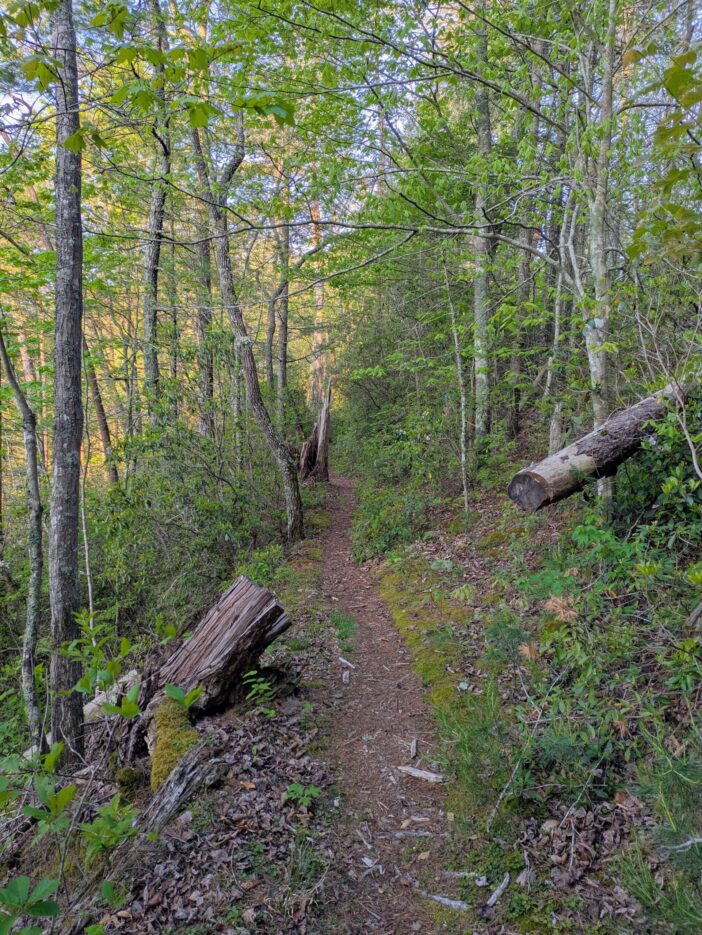
A Saddle on The Conasauga River Trail
The Conasauga River Trail is wholly within Georgia’s Cohutta Wilderness. Even though it’s mostly along the river, it also goes up onto saddles between ridgetops, especially at the end.
-
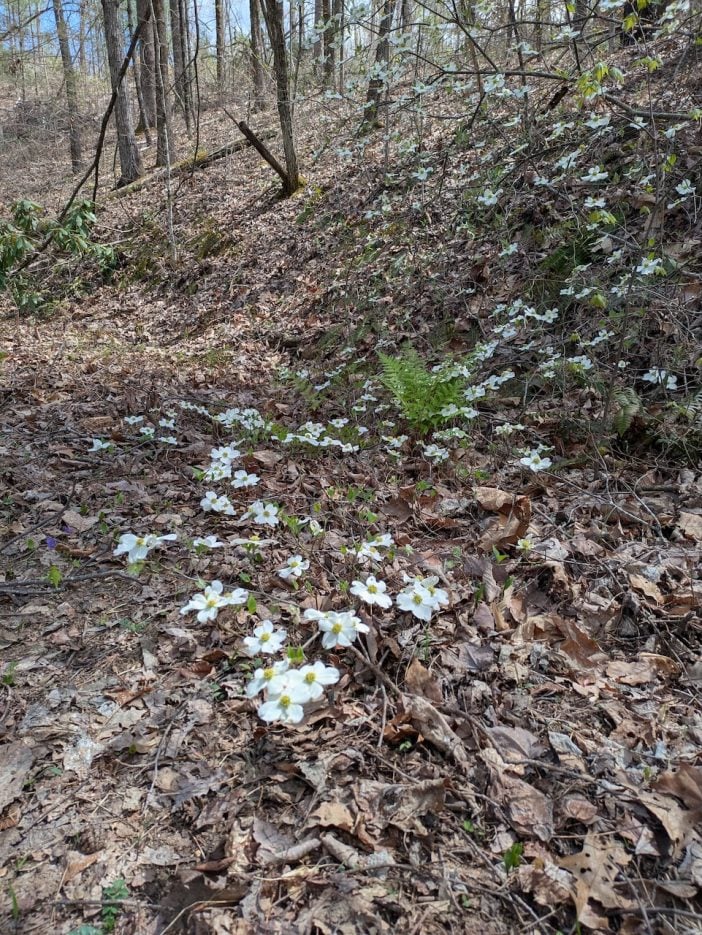
Dogwood Tree Growing on The Ground
This dogwood was pushed to the ground by a larger tree, but it stayed rooted and healthy. Now it looks like Dogwood flowers are blooming on the trail.
-
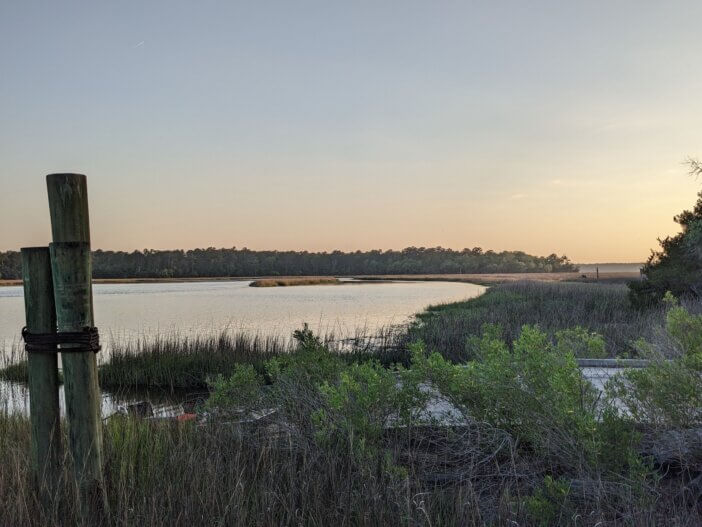
Red Creek at Fort McAllister State Park
I absolutely love the marshes along the Georgia coast. It’s amazing how many small creeks and estuaries kind of feed with each other. This one ends up feeding into the Ogeechee River before heading into the Atlantic. Fort McAllister State Park is very underrated. It’s a lovely park with a great campground and lovely cabins.
-
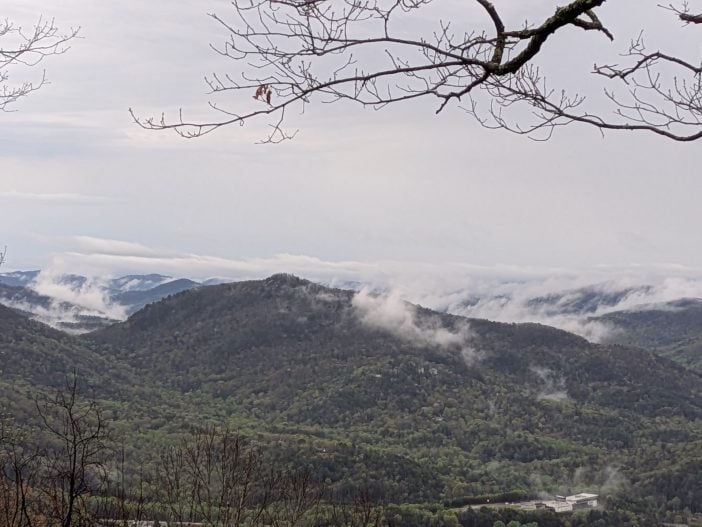
Clouds Moving Across Georgia’s Blue Ridge
I absolutely love the Appalachians mountains. They are not soaring, rocky, or iconic. But they are ancient, diverse, and complex. They see a lot of humid air coming off the Gulf of Mexico – but also from their own green, humid forests. This view is from an overlook off the Cohutta mountains with clouds drifting up over the ridges.
-
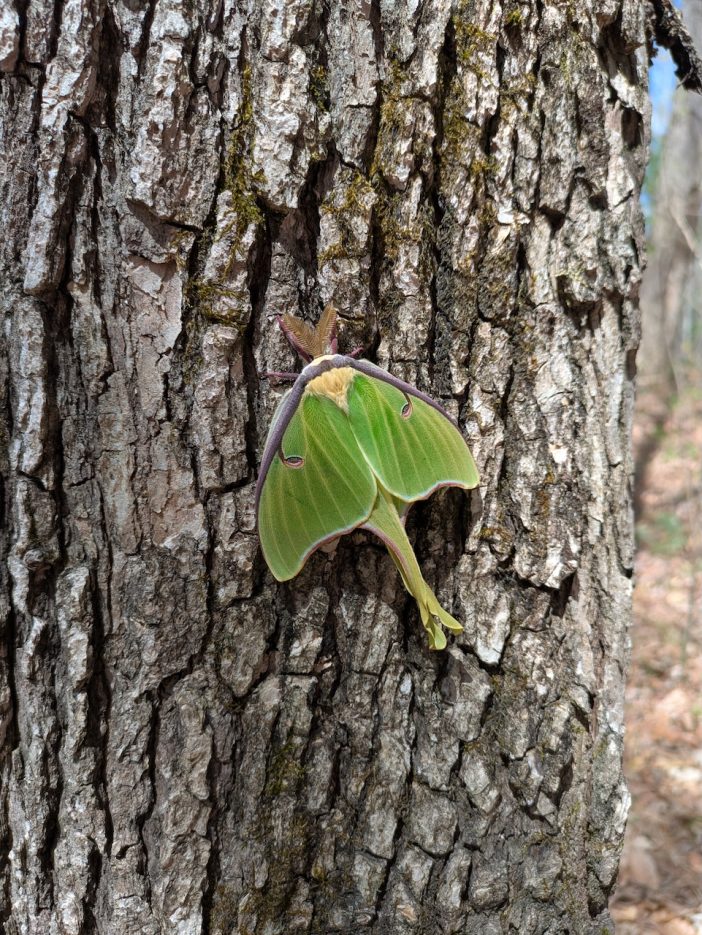
Luna Moth Chillin’ in Georgia’s Cohutta Wilderness
Luna moths are so striking, especially when they contrast against an oak tree.
-
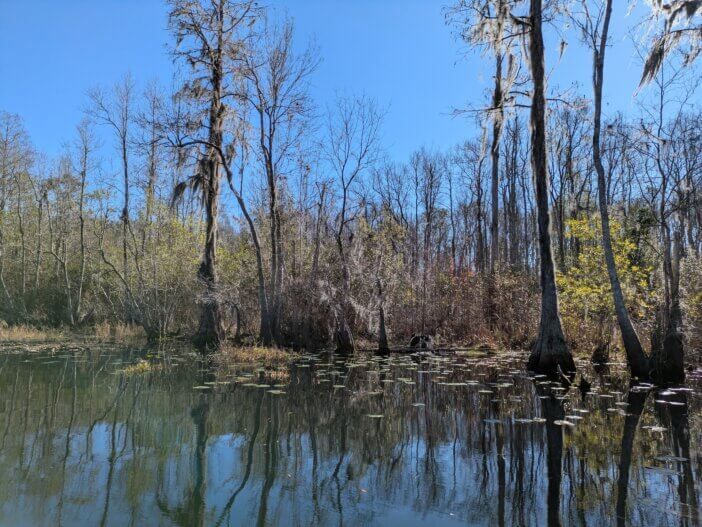
A Swamp Cove in the Okefenokee Swamp.
The Okefenokee Swamp is one of the most underestimated landscapes that I’ve ever been to. One part that that is not captured by a photograph is how quiet it can be. On one hand, it can be creepy, but on the other hand, it’s enchanting.
-
-
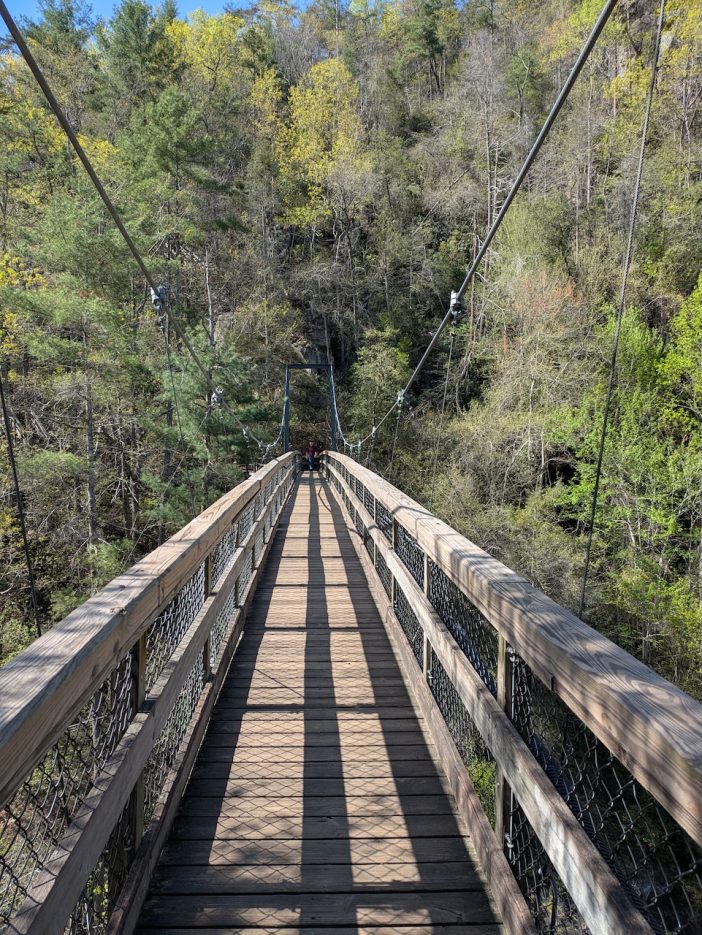
Bridge at Tallulah Falls State Park in Georgia
Tallulah Falls State Park is one of Georgia’s best State Parks. The Tallulah Gorge is that deep & that epic. And the bridge across the Gorge is a brilliant & beautiful feature.
-
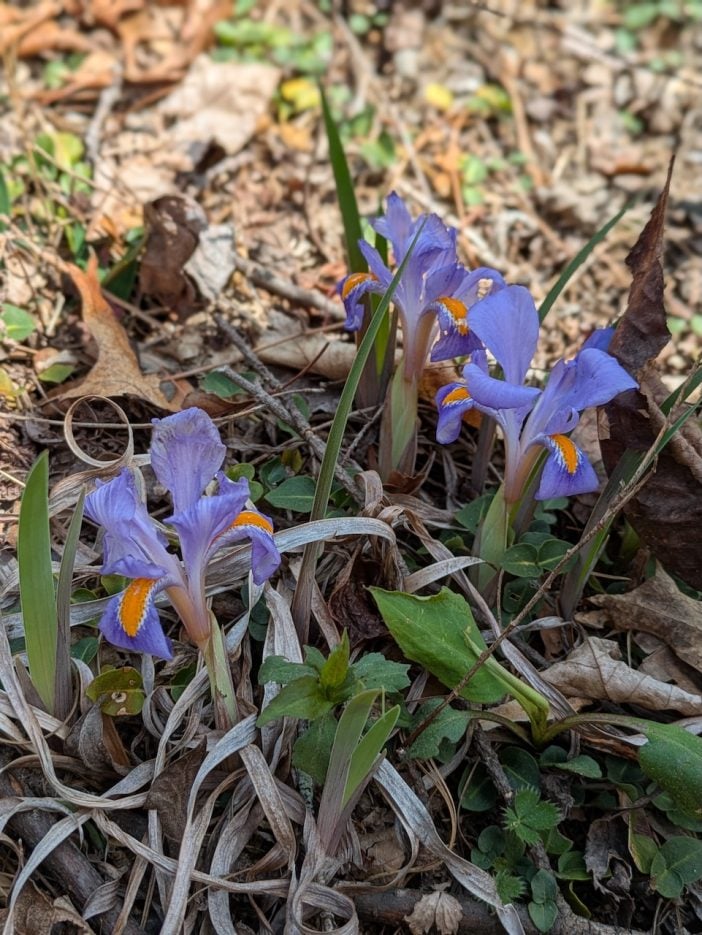
Dwarf Violet Iris Showing Out in the Chattahoochee National Forest
I love the pop of purple color that Irises’ bring to the Southern Appalachians.
-
Tobacco Road by Erskine Caldwell
Tobacco Road follows the desperate lives of the Lester family, poor white sharecroppers struggling to survive in Depression-era Georgia. The novel’s unflinching portrayal of poverty and moral degradation shocked readers when it was published in 1932, sparking controversy while highlighting the harsh realities of rural Southern life.