5 Notes On the Cohutta Wilderness
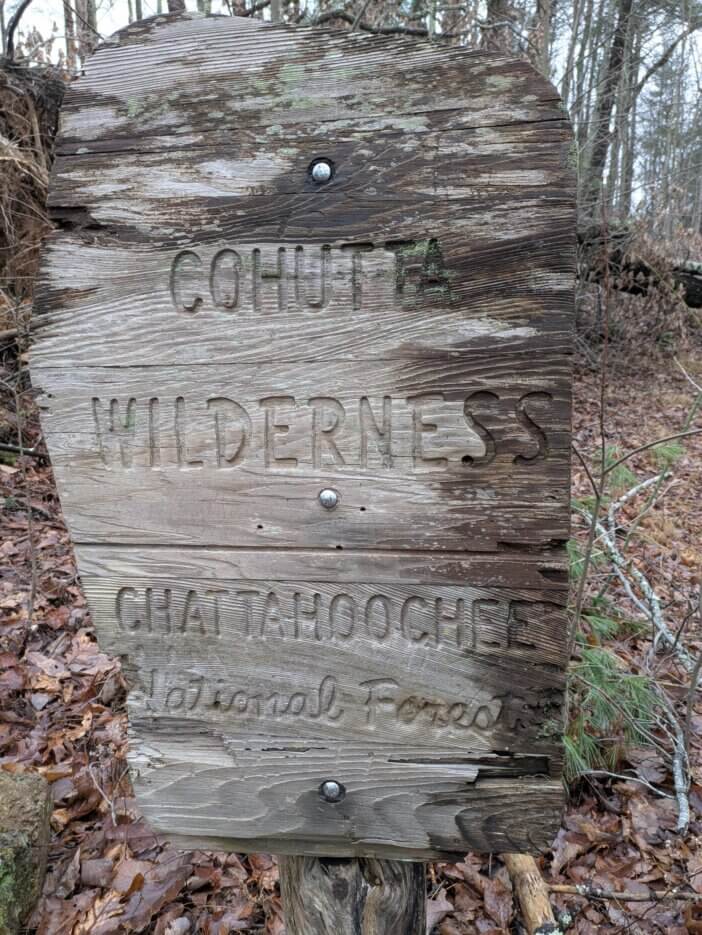
The Cohutta Wilderness is the largest designated Wilderness area east of the Mississippi river. It is only about a 2 1/2 hour drive from Atlanta, so I have been able to spend quite a bit of time there.
The Cohutta Wilderness is the largest designated Wilderness area east of the Mississippi river. It is only about a 2 1/2 hour drive from Atlanta, so I have been able to spend quite a bit of time there.
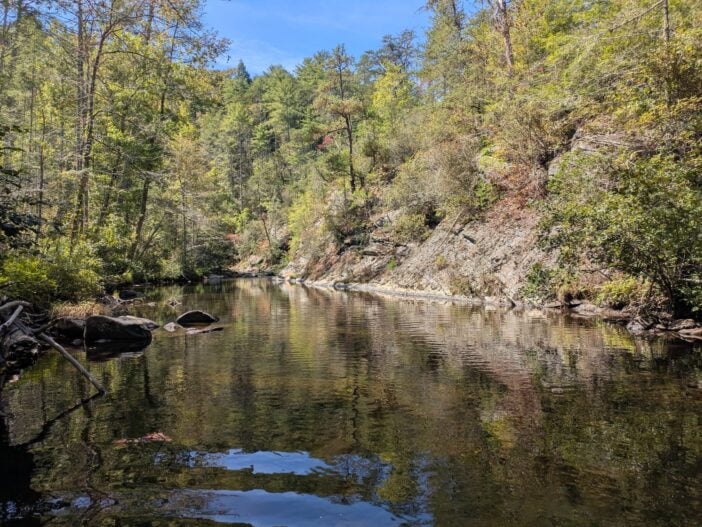
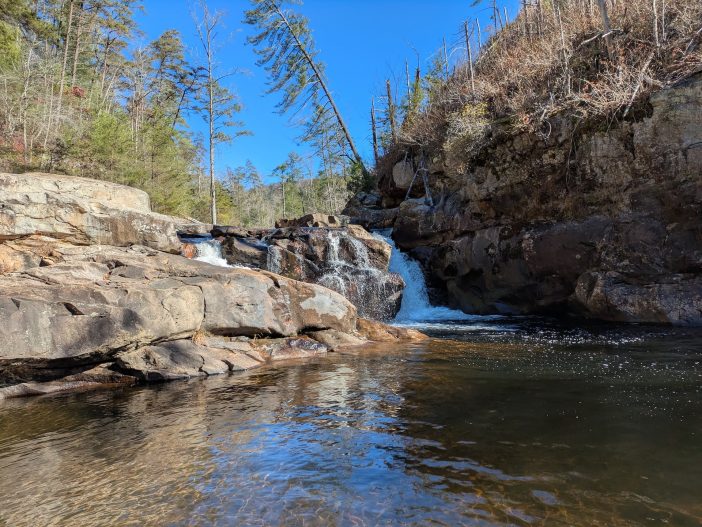
This long, run forming a pool is off-trail within the Cohutta Wilderness, Georgia, about 2 miles from the north Conasauga River Trailhead. The river has pooled up before a short cascade.
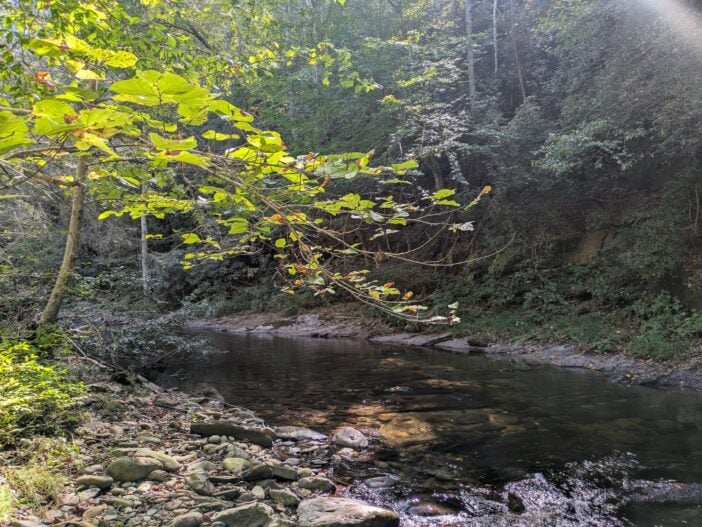
This bend is off-trail within the Cohutta Wilderness, Georgia, about 2 miles from the north Conasauga River Trailhead. The river is slicing across hard, exposed granite.
I don’t love posting about current events, but this resource is timeless -> https://www.onxmaps.com/onx-access-initiatives/roadless-rule
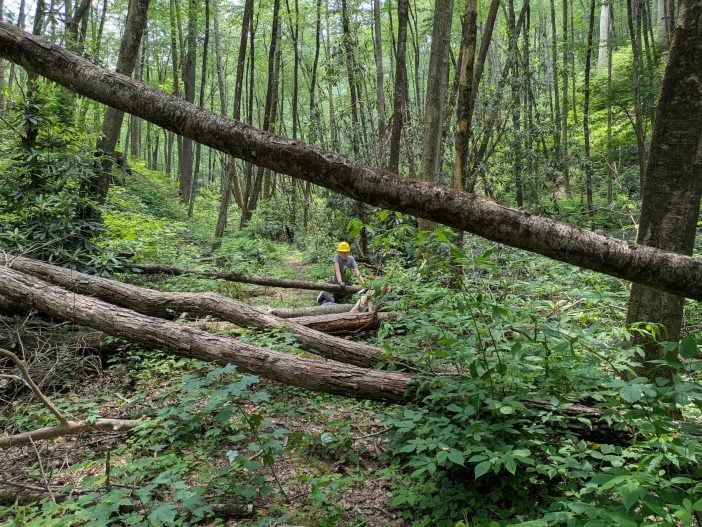
The most satisfying parts of volunteering with a Forest Service Trail Crew (specifically the amazing Cohutta Wilderness Trail Volunteers) is the direct connection between work and result.
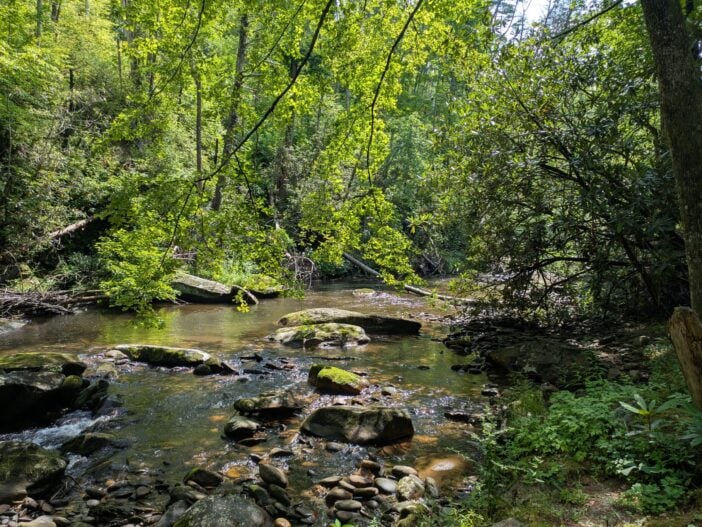
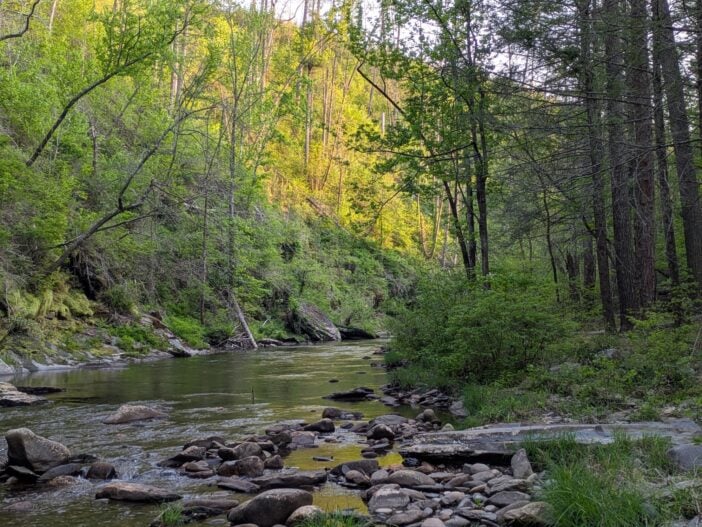
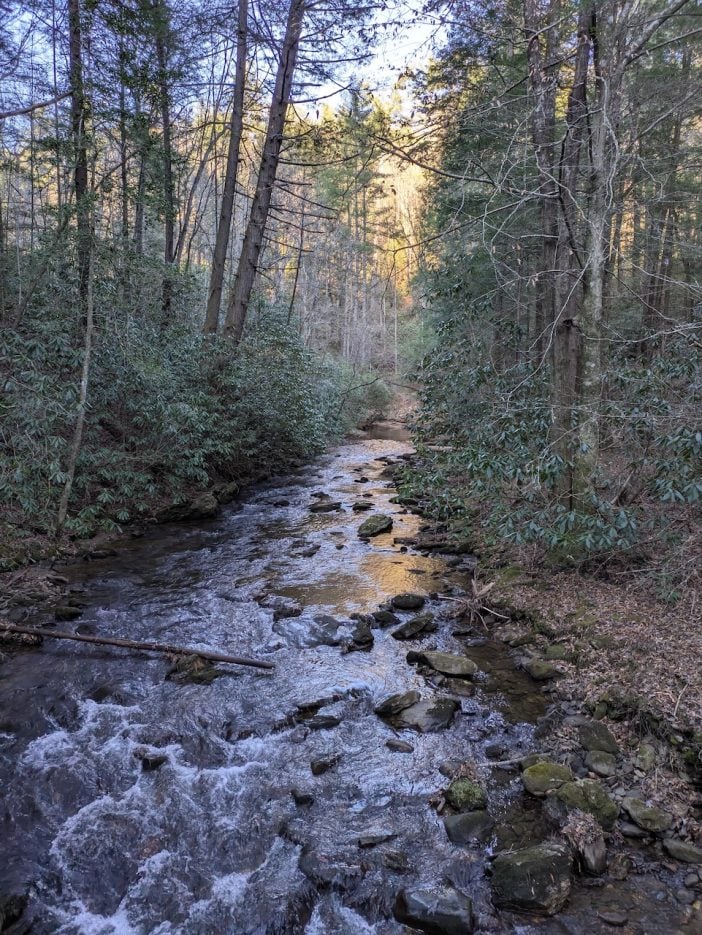
Conasauga River in Georgia’s Cohutta Wilderness, Chattahoochee National Forest
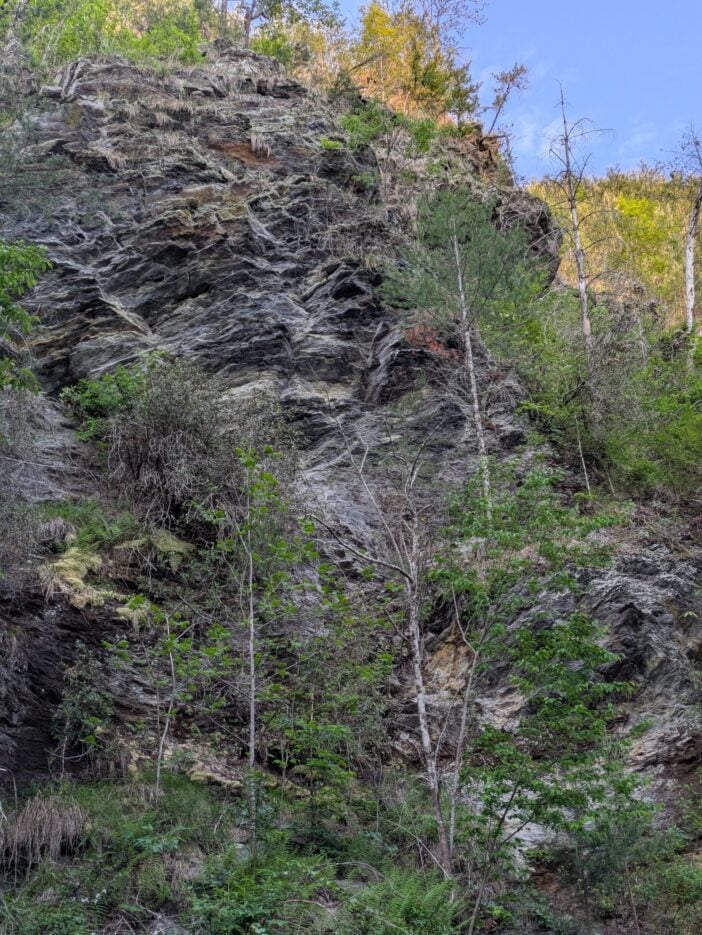
The Cohutta Wilderness protects some of the oldest land in North America as part of the Ocoee Supergroup.
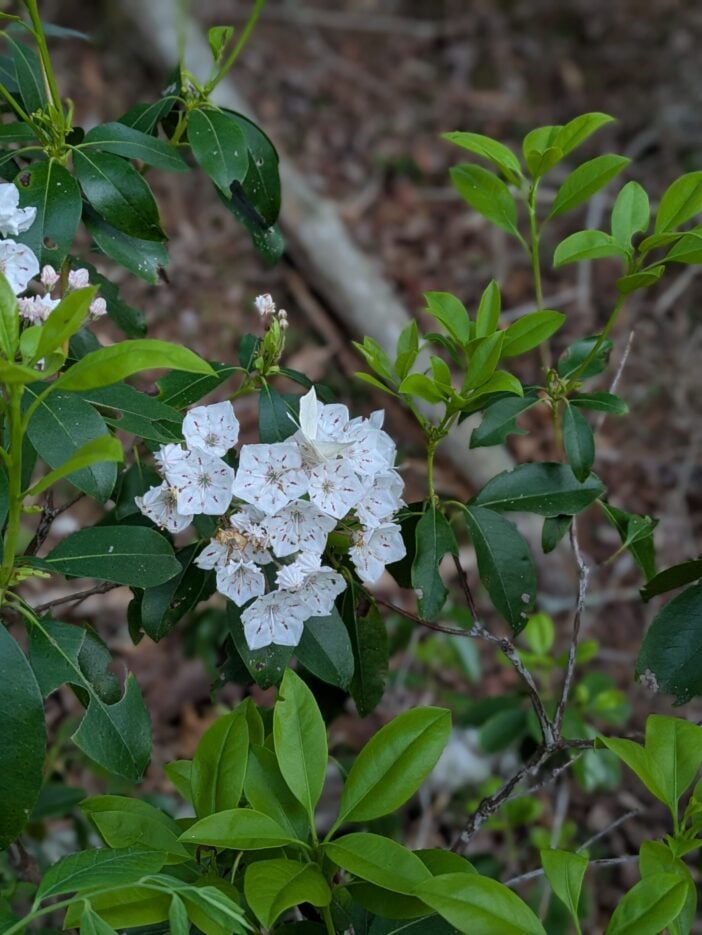
This mountain laurel was growing on a overlook with a perfect dotted pattern on its white petals.
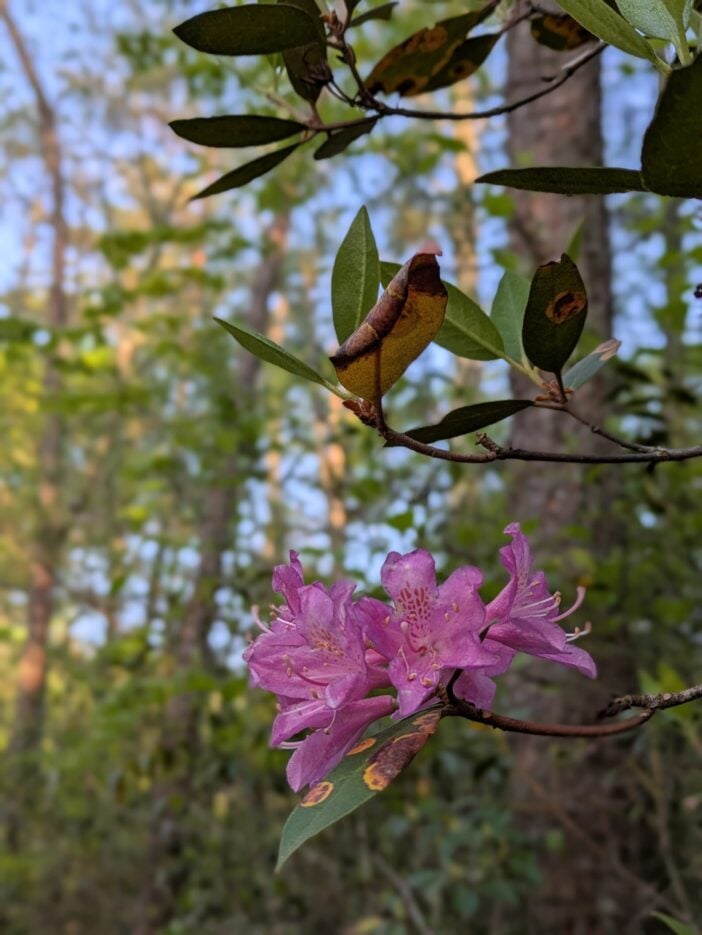
I get a lot of the rhododendrons mixed up but one easier(?) way for me to just to note when it’s flowering. This guy was a particularly hot pink along the trail.
Georgia’s Conasauga River is one of the loveliest rivers I’ve ever seen.
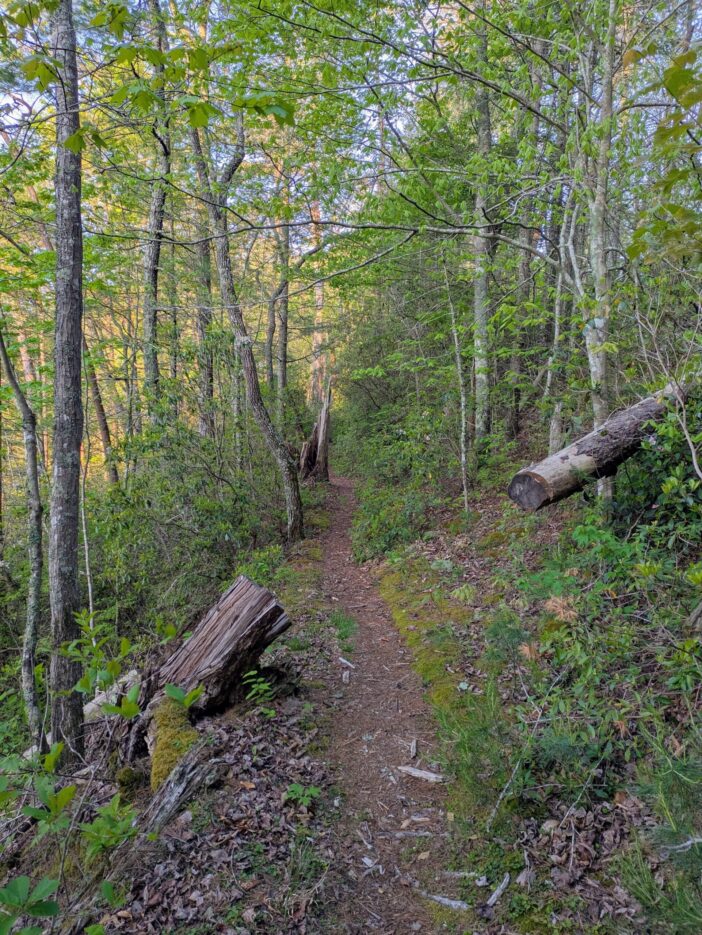
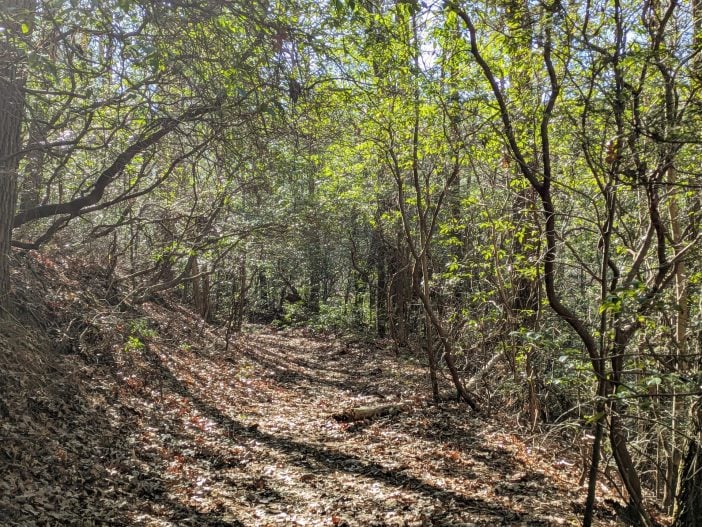
The Conasauga River Trail is wholly within Georgia’s Cohutta Wilderness. Even though it’s mostly along the river, it also goes up onto saddles between ridgetops, especially at the end.
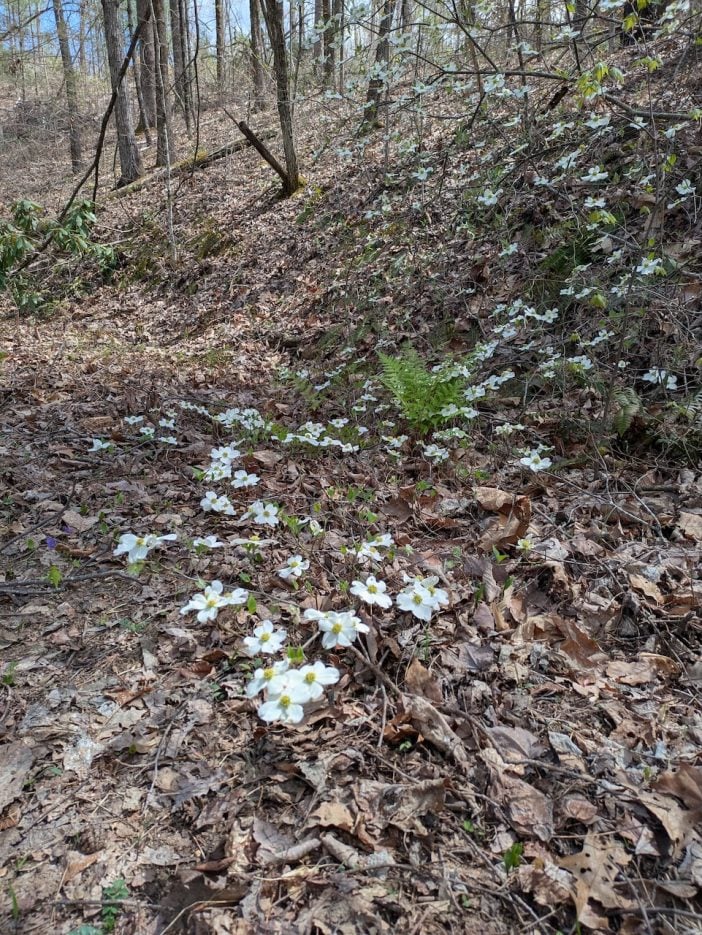
This dogwood was pushed to the ground by a larger tree, but it stayed rooted and healthy. Now it looks like Dogwood flowers are blooming on the trail.
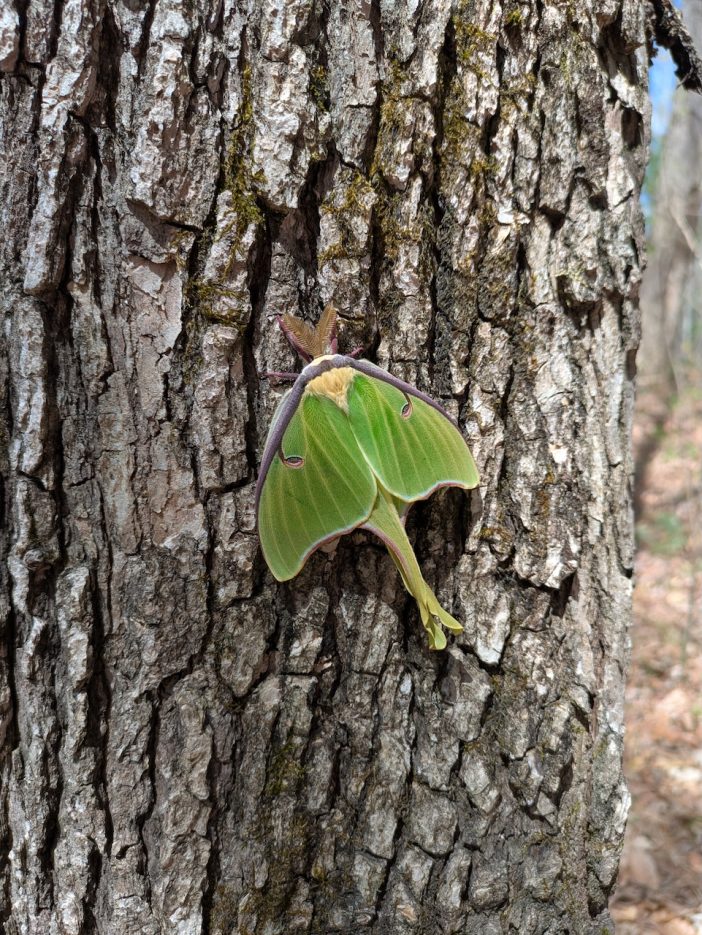
Luna moths are so striking, especially when they contrast against an oak tree.
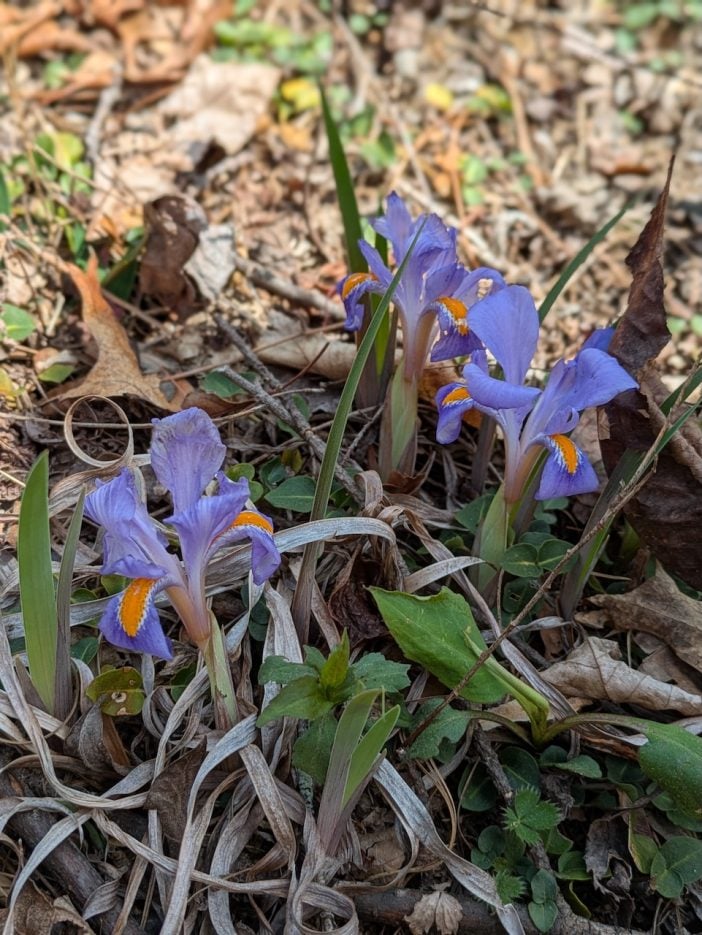
I love the pop of purple color that Irises’ bring to the Southern Appalachians.
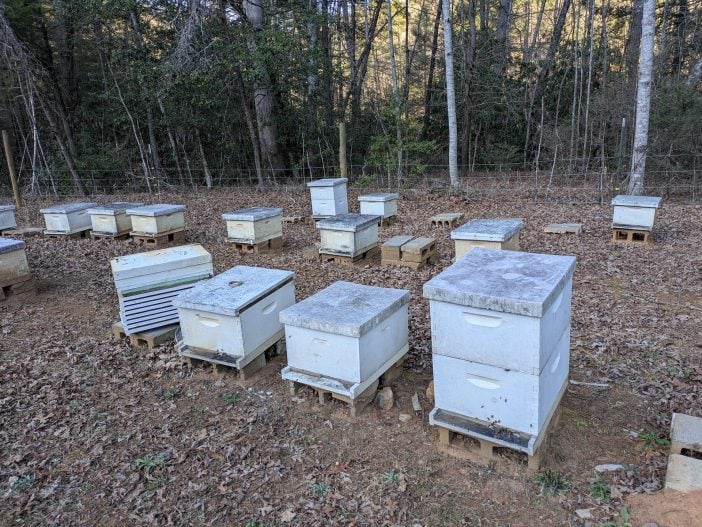
Bees are such a win-win-win. These hives are in a clearing in Smithgall Woods State Park. They are maintained by Ally Bees Honey (who I highly recommend for local Georgia honey). They pollinate the wildflowers, native plants, and wildlife food plots…all while creating so much extra honey.
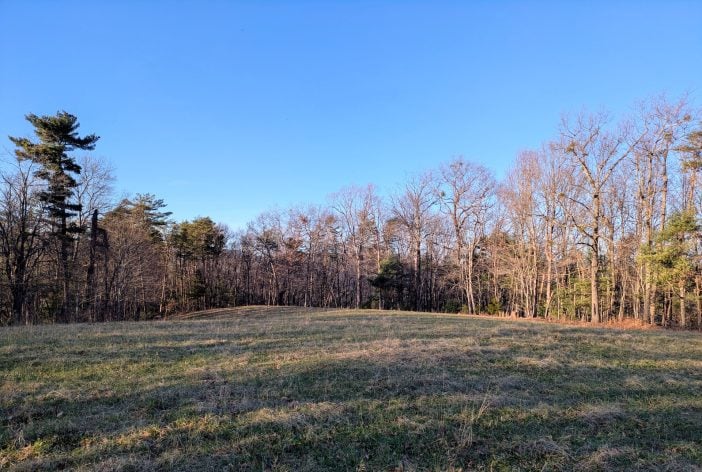
Appalachian Balds are a historical mystery. But they are very man-made now. This one is one of my favorites. I’ll gatekeep the exact location (it’s up an old logging road in a Georgia State Park donated by a dedicated conservationist near Cleveland, GA), but it’s maintained by the Georgia Department of Natural Resources as a wildlife clearing. There are views in the winter, but birds and wildlife year-round.