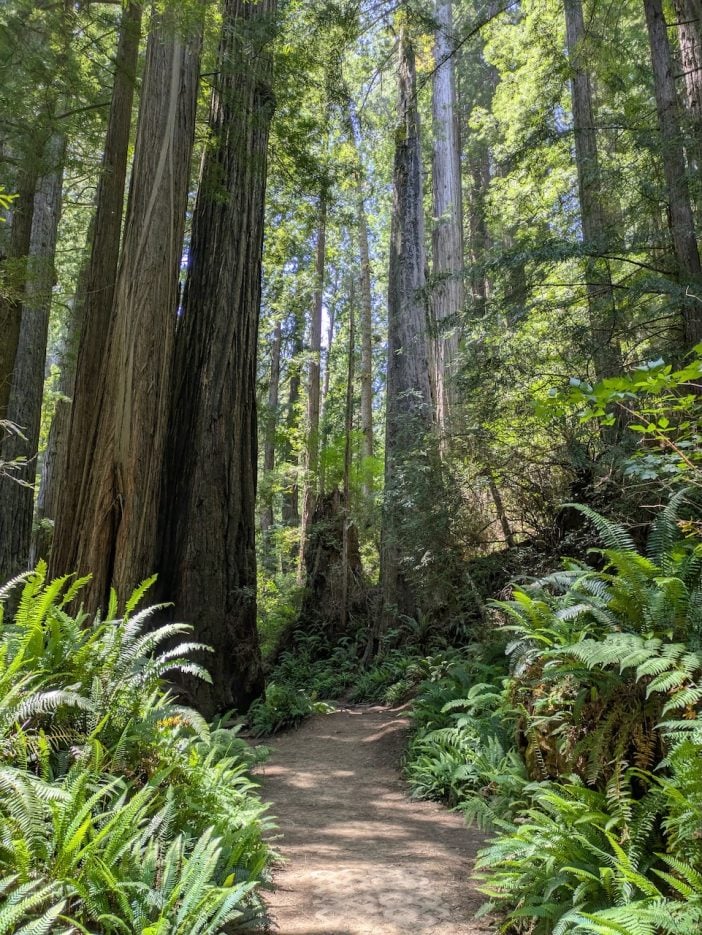
5 Notes on Visiting Redwood National & State Parks
I got to visit Redwood National & State Parks in Northern California. Here are 5 notes from the trip.
I got to visit Redwood National & State Parks in Northern California. Here are 5 notes from the trip.
Over the past few years, I’ve been able to visit a few of America’s National Parks, Wildlife Refuges, and other public lands in addition to reading several excellent histories. For the Parks that I’ve visited so far, it seemed like there was an outsize influence of either single individuals or small groups in getting the Park established.
Exhibit 5000+ that Jimmy Carter was a brilliant President & was deliberately slandered by Ronald Regan -> https://en.wikipedia.org/wiki/Heritage_Conservation_and_Recreation_Service
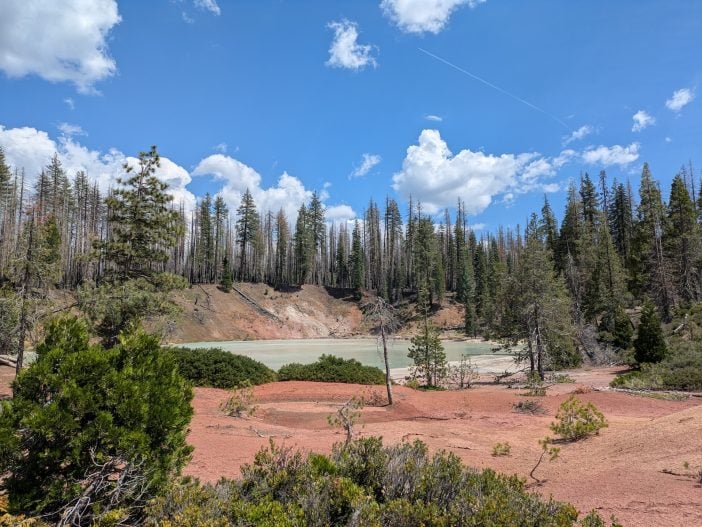
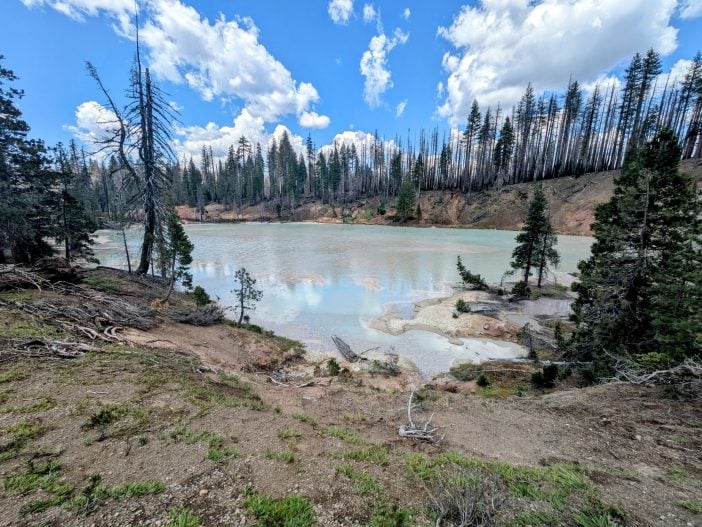
Boiling Springs Lake in Lassen Volcanic National Park is exactly what the name says. It’s absolutely fascinating to see. It’s accessed via a short hike up the Warner Valley. Also, the Pacific Crest Trail goes right by it!
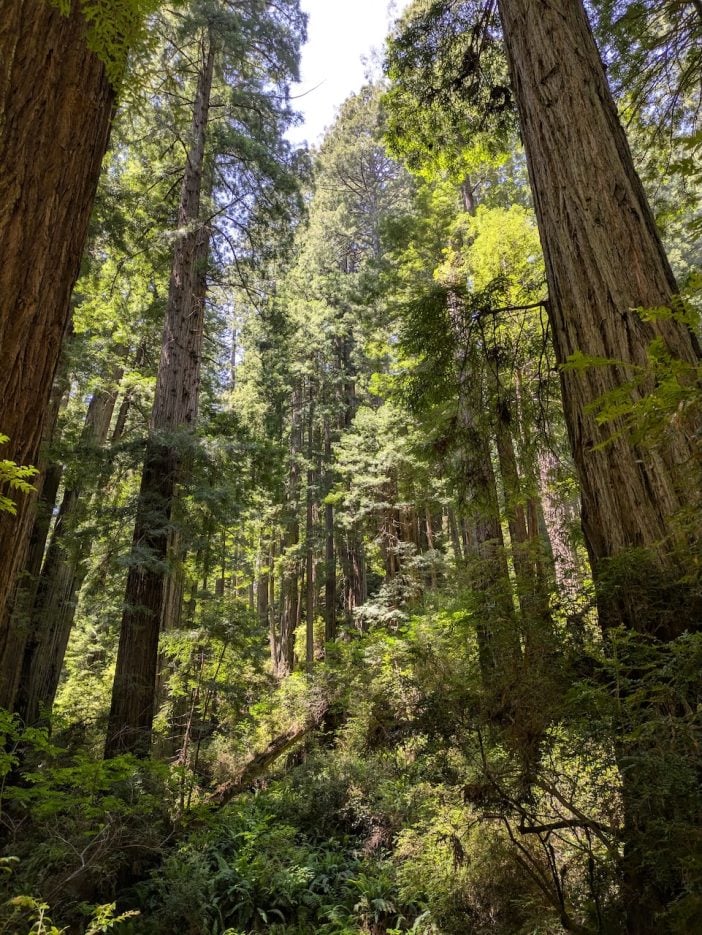
On my visit to Redwood National Park, I learned that Redwoods generally grow in a grove around a “mother tree” – so you’ll often get this cluster of tall trees around a mega tall tree…or a giant shaded circle where the “mother” used to stand.
On my trip to Redwood National Park, I learned that the story isn’t really about the Redwood trees – it’s about the entire ecosystem, which is both under threat and at the center of conservation efforts today.
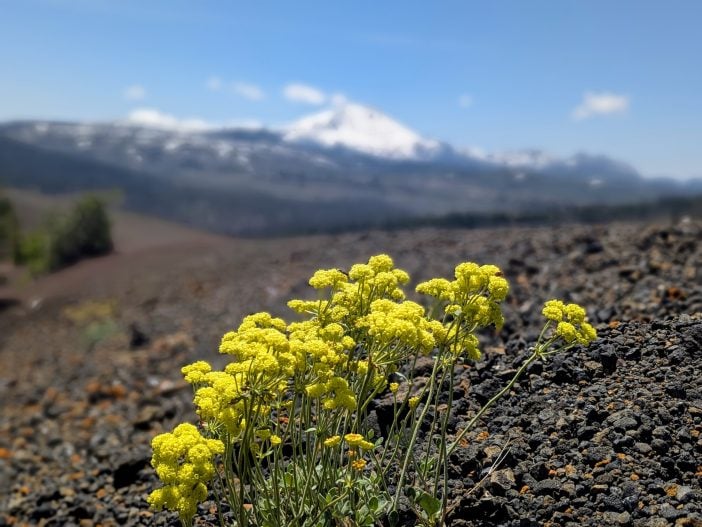
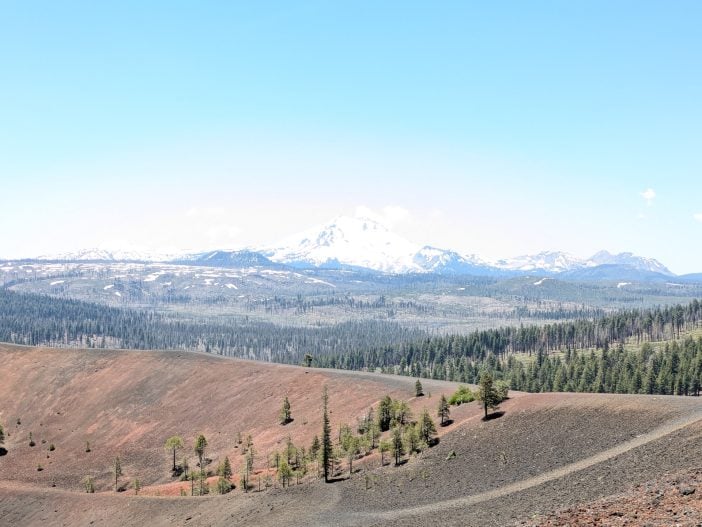
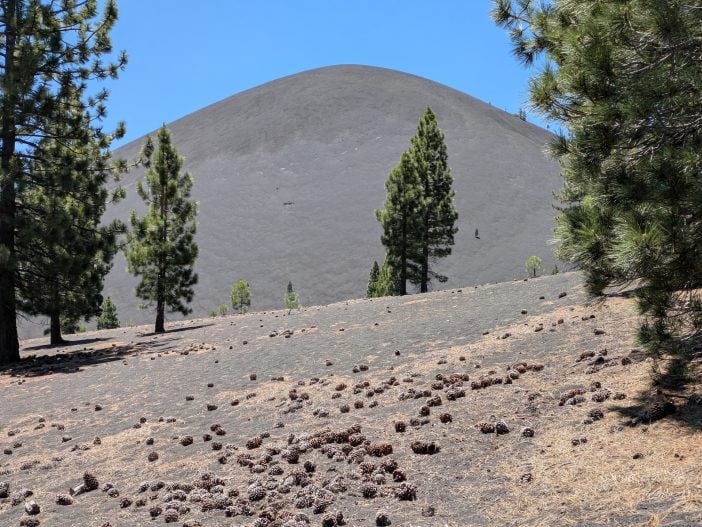
I took this photo atop Cinder Cone in Lassen Volcanic National Park.
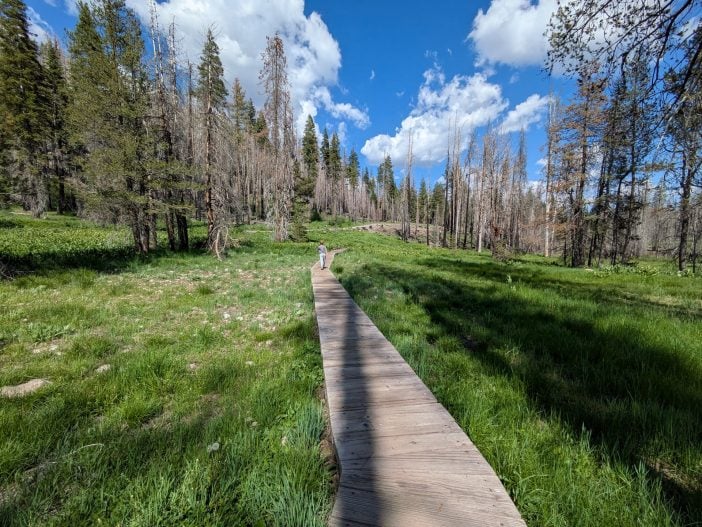
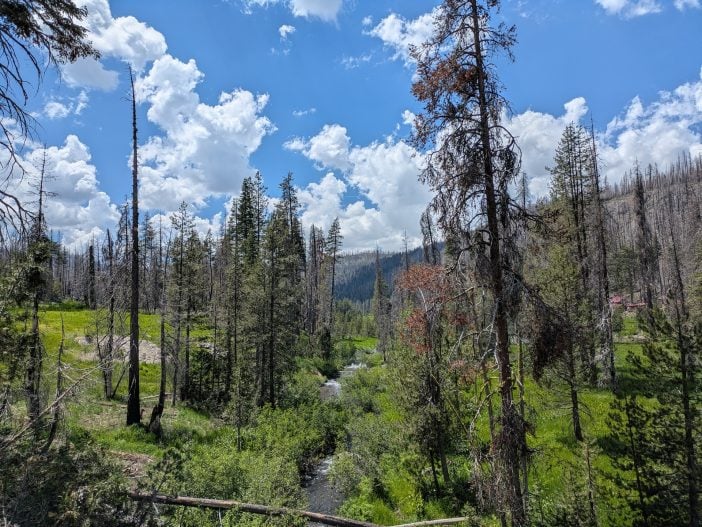
In Lassen Volcanic National Park, there is a trail headed up past Drakesbad Guest Ranch to Boiling Springs Lake. It goes through the Warner Valley, which is something out a story book…that has also been recently hit by a wildfire. The creeks, grasses, and trees are all just idyllic even with the burnt up trees.
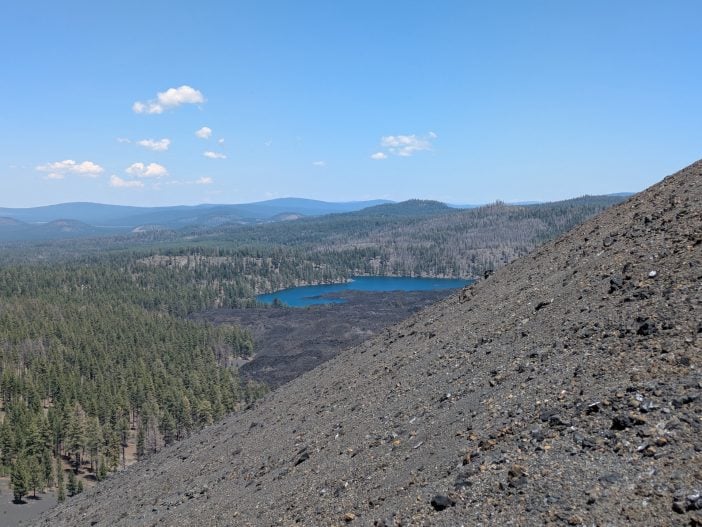
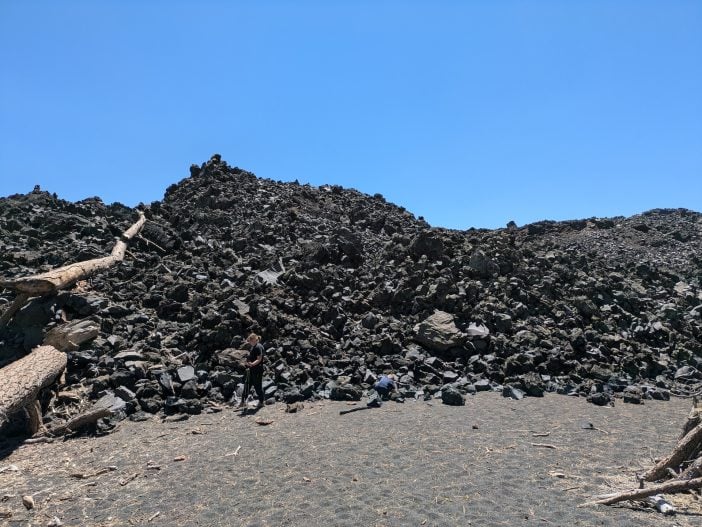
I first saw “Fantastic Lava Bed” on a map of Lassen Volcanic National Park and was like “ok, that’s a funny name” – but yeah, they totally live up to their name. They are huge, scenic, and quite fantastic!
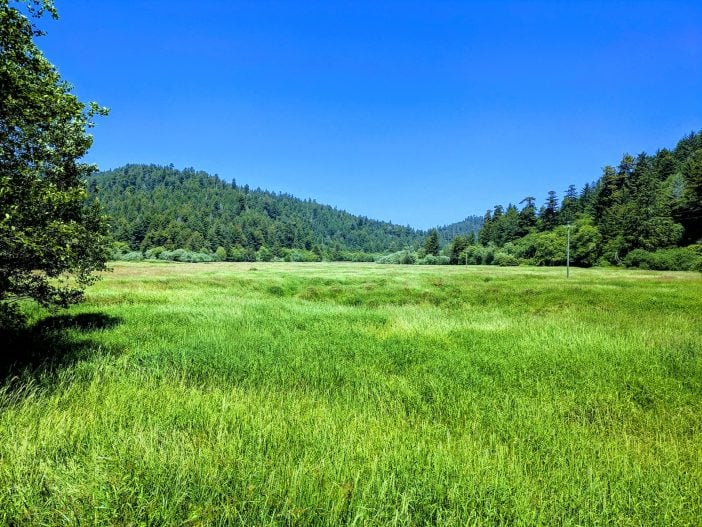
The Elk Meadow in Redwood National Park was, only a few decades ago, a giant paved lumber yard with trucks, oil spills, giant cranes, warehouses, and piles of felled old-growth Redwood trees. Now, the National Park Service has helped nature along and the land is a fully restored meadow with bubbling creeks and Elk grazing in the distance.
Definitely one of the most underrated National Parks. There is not a lot of tourist infrastructure, but my goodness, it is wild, scenic, and alive.
Lassen Volcanic National Park was hit pretty hard by the Dixie Fire of 2021. We got to visit in Summer 2025 and saw not only how the land was recovering, but also how much it still impacted the Park after 4 years.
Lassen Volcanic National Park has all the types of volcanoes within its boundaries. It’s really cool! And Cinder Cone is one type that’s a lot more climbable than the others. It’s tough but straightforward. The volcano is also highly symmetrical and surrounded by the Fantastic Lava Beds!
At Lassen Volcanic National Park, I was surprised by just how volcanic it was, everywhere. And yes, I know it’s in the name. But I was not expecting lava rock to be everywhere and for all the lakes & springs to have a whiff of sulfur and boiling water to them. It feels like the Earth is genuinely alive & active beneath your feet (which, in fairness, it is..). Boiling Hot Springs Lake in the Warner Valley is a little off the beaten track, but we had it all to ourselves on a summer weekend.
In the Southeast corner of Lassen Volcanic National Park, there are entire square miles of lava beds. They are so perfect and so beautiful in their starkness that they were literally called the “Fantastic Lava Beds”. There’s no hiking across them, but there are several excellent trail around and through them. In fact, the original California Trail goes around it.
On my visit to Crater Lake National Park, I got to explore some of the Park outside of the rim & the eponymous Lake. It had never really occurred to me that…the water in Crater Lake goes somewhere. Like, it never fills up and it also never sinks down. However, it maintains its level via rain / snowfall, evaporation and some seepage into the porous rock at the top.
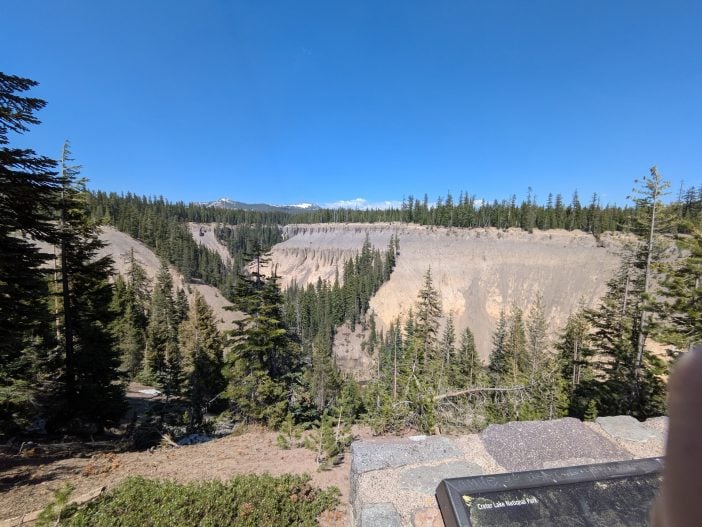
However, even though no water leaves the caldera, the rim is incredibly steep, incredibly high, and incredibly snowbound. So it’s the source for a lot of creeks. And these creeks all run through volcanic soil, which creates some beautiful, complex canyons all around the Park.
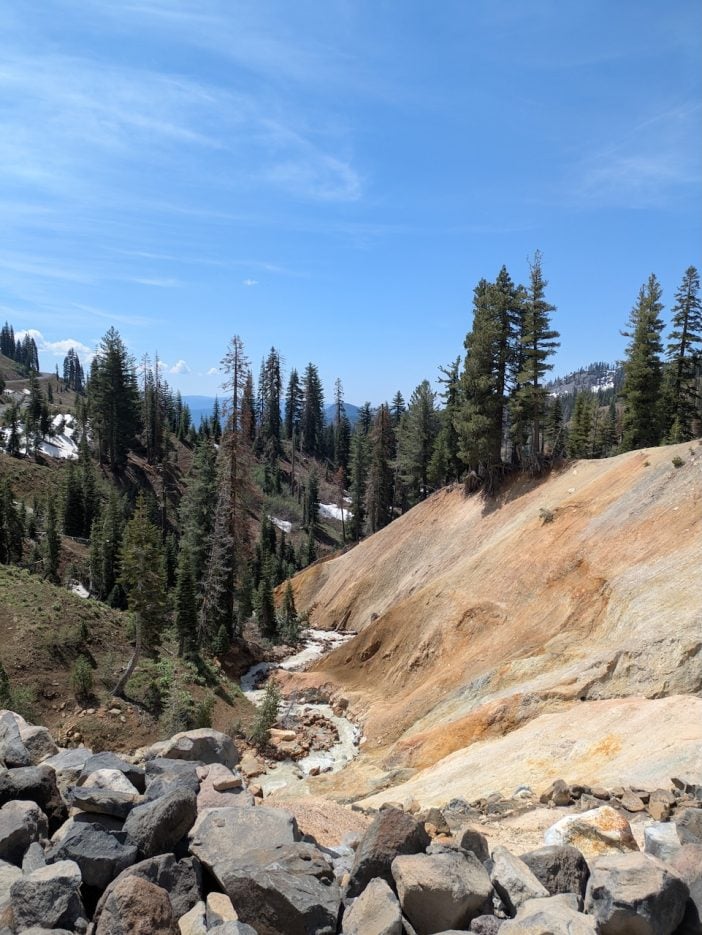
Lassen Volcanic National Park is a park of colors. Blue water cuts through layers of red, orange, and yellow volcanic rock, coursing through green pines under a blue sky.
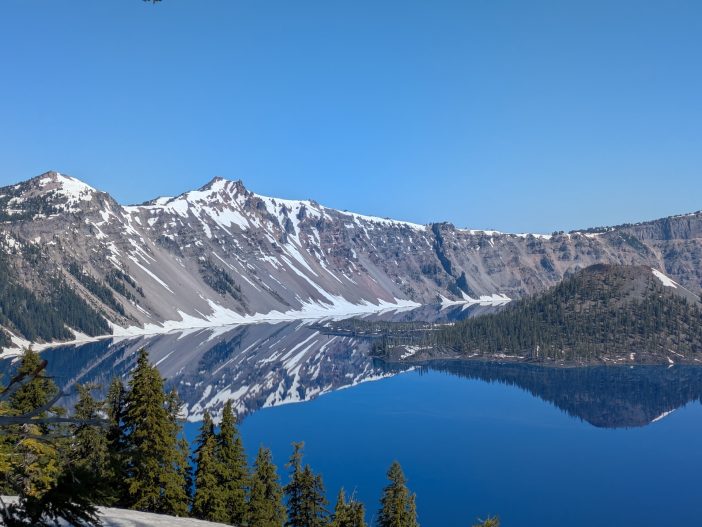
Crater Lake has to be one of America’s most photographed landscapes. But seeing it in person still exceeded the expectations. It has a depth of blue that I couldn’t quite capture – and I don’t think anyone can. It’s also so photogenic that I don’t think it’s possible to take a bad picture of it.
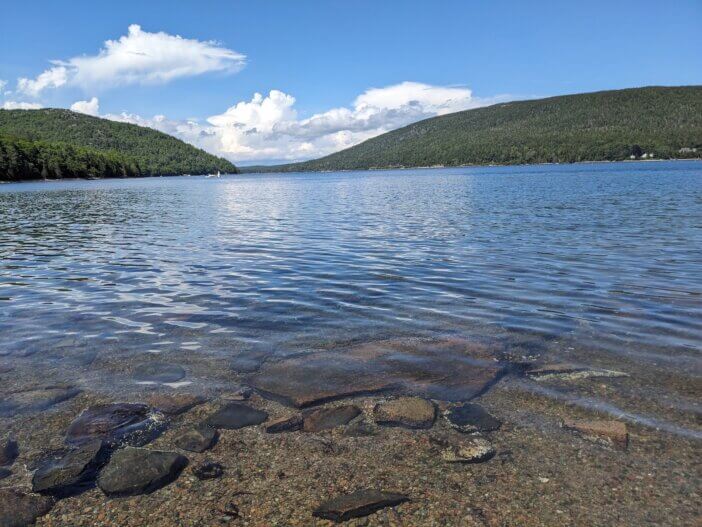
It’s always astonishing to me to see fresh water that is coming off granite in forest with no real runoff. Almost all the lakes in Acadia National Park are glacier melt and are shockingly clear.
One of my favorite aspects of the culture of the National Park Service is their commitment to the principle that every American is an owner of their National Parks. It’s a beautiful, democratic ideal.
However.