The Myth of Sisyphus & Other Essays by Albert Camus

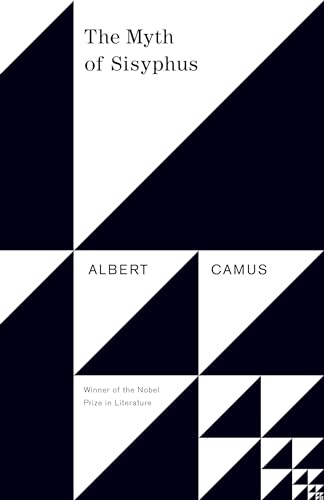
The Myth of Sisyphus and Other Essays by Albert Camus is one of those books I’ve read a couple of times and finally just decided to own. I picked up the Vintage Books edition specifically because it includes bonus essays — particularly “Summer in Algiers” — that I think represent some of Camus’s best work.
What I Liked
Coming back to this book about ten years after my last read, I was struck again by how rare it is to find a non-fiction essay that isn’t reporting on something, reacting to something, or trying to break news. The Myth of Sisyphus is just a pure, long-form argument about an idea — absurdism, the question of whether life has meaning, and why we keep pushing the boulder anyway. Camus uses the Greek myth as his vehicle, and it works brilliantly because it’s one of those allusions that floats around in the culture whether or not you’ve ever cracked open a mythology book.
The bonus essays are what really elevate this edition. “Summer in Algiers” in particular shows Camus at his most lyrical — how it feels to have the sun on your face, to be in the ocean with no obligations, to be completely free in a single moment. It’s sparse, almost Hemingway-like in its economy, but where Hemingway tends to leave you with a feeling you have to infer, Camus names it directly. He gives you the full texture of the experience in very few words. It’s an impressive trick, and one I don’t see often enough (ironically, the closest analogue might actually be the book of Ecclesiastes / Qoheleth in the Bible).
Wrap-Up
It’s a short book, but it earns a permanent spot on the shelf. If you’ve never read Camus, this is an excellent place to start — and if you have, the Vintage Books edition is worth picking up for the essays alone.
- The title essay is a masterclass in arguing a big idea — absurdism — through a myth almost everyone already knows
- "Summer in Algiers" and the other bonus essays are some of Camus's best and most lyrical writing
- Sparse, economical prose that names feelings precisely without overexplaining them
- None!