Click by Ori Baufmann

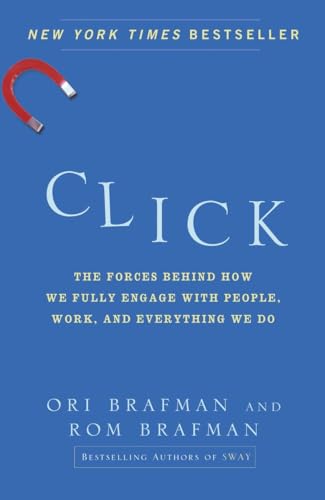
Click by Ori and Rom Brafman is a fun, fast little pop science book about why some relationships just…click. Why do some people go from strangers to fast friends in an afternoon while others stay awkward acquaintances for years?
The core framework is simple and memorable. You need three things: shared space, shared experience, and shared vulnerability. When those three conditions line up, they set off a virtuous cycle of trust that would normally take years to develop with a random stranger. Compress those conditions, and you compress the timeline dramatically.
What I Liked
It reads like a Malcolm Gladwell book — and I mean that as a compliment. Anecdote that makes you curious, science to back it up, case study, recap. Boom, boom, boom. It moves fast, it sticks, and I read it years ago and still remember the framework.
More importantly, it’s actually useful. Friendships and connections are the stuff of life. Getting even a little bit better at building them improves your life and everyone else’s. Having a framework for how that works — even a simplified one — is worth a lot.
What I Didn’t Like
He plays a little fast and loose with the social science, as pop science books tend to do. The studies can feel a bit cherry-picked. But it’s true enough to be useful, and that’s the right bar for this kind of book.
Takeaway
Short, memorable, and genuinely applicable. If you’re navigating a new city, a new job, or just want to be more intentional about building relationships, Click is well worth an afternoon.
Click by Ori and Rom Brafman is a fast, memorable pop science book about why some relationships develop quickly while others stall. The core framework — shared space, shared experience, and shared vulnerability — creates conditions for trust to accelerate dramatically. It reads like a Gladwell book: anecdote, science, case study, repeat. Plays a little fast and loose with the research, but it's true enough to be useful and worth the afternoon read.
- Fast, memorable framework that actually sticks
- Genuinely useful and applicable to real life
- Quick, engaging read
- Plays fast and loose with the social science
- Very short on depth for readers wanting more rigor