The Individuals Who Championed Each National Park

Over the past few years, I’ve been able to visit a few of America’s National Parks, Wildlife Refuges, and other public lands in addition to reading several excellent histories. For the Parks that I’ve visited so far, it seemed like there was an outsize influence of either single individuals or small groups in getting the Park established.
I went digging to see if this was a common pattern or just a one-off. It turns out to be surprisingly common. I went on a deep Wikipedia rabbit hole and then organized a full list with help of Claude & Google Sheets.
For each park below: the single individual who, more than anyone, kept the cause at the forefront for years or decades – often as their life’s work (or nagging obsession, depending on your viewpoint). Where a park was genuinely a group, legislative, or Park Service administrative creation with no one obsessive standard-bearer, the champion column is left blank (—) with a short note on why.
Also, I only collected National Parks people, even though you can also find examples among Wildlife Refuges, Wilderness areas, National Shores, Historic Sites, etc.
| Park (State) | Champion | The short story |
|---|---|---|
| Acadia (ME) | George B. Dorr | The “Father of Acadia” — spent ~40 years and much of his own fortune buying and assembling the land, with Charles Eliot and John D. Rockefeller Jr. |
| Arches (UT) | — | Alerted by prospector Alexander Ringhoffer and promoted by the railroad and NPS; no single decades-long crusader. Made famous by Edward Abbey. |
| Badlands (SD) | Peter Norbeck | The South Dakota senator/governor was the political engine (also behind Mount Rushmore and Custer State Park). |
| Big Bend (TX) | Everett Townsend | The “Father of Big Bend” — a former Texas Ranger who pushed the idea for decades; publisher Amon Carter amplified it. |
| Biscayne (FL) | Lloyd Miller | Led the grassroots fight against a planned “Islandia” resort city and oil port; a coalition effort he anchored. |
| Black Canyon of the Gunnison (CO) | Rev. Mark Warner | A Montrose minister who spent years photographing and promoting the canyon in the 1930s. |
| Bryce Canyon (UT) | J.W. Humphrey | A Forest Service supervisor who brought photos and films to Washington and generated the publicity that made the case. |
| Canyonlands (UT) | Bates Wilson | The “Father of Canyonlands” — the Arches superintendent who guided officials (including Interior Secretary Udall) through the country by jeep and campfire until they were sold. |
| Capitol Reef (UT) | Ephraim P. Pectol | A local store owner and legislator who promoted “Wayne Wonderland” almost single-handedly for a decade (with brother-in-law Joseph Hickman). |
| Carlsbad Caverns (NM) | Jim White | The cowboy-explorer who mapped the caves and spent years guiding and publicizing them until the world paid attention. |
| Channel Islands (CA) | — | A long NPS/administrative process (monument 1938, park 1980); no single champion. |
| Congaree (SC) | Harry Hampton ★ | Co-editor of The State newspaper whose “one-man campaign” through his column saved the old-growth Beidler Tract. |
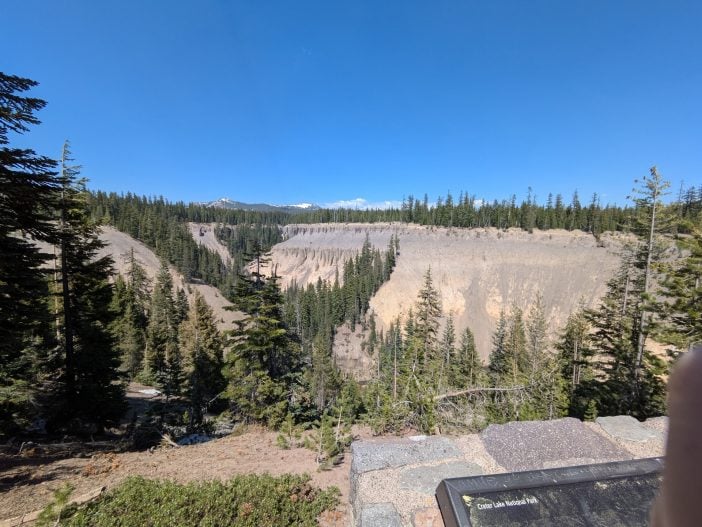
| Crater Lake (OR) | William Gladstone Steel ★ | Your “newspaper guy from Ohio” — a publisher who made the lake a 17-year obsession to get it protected, then devoted his life to it. |
| Cuyahoga Valley (OH) | Rep. John Seiberling | The Ohio congressman who drove the legislation to protect the valley between Cleveland and Akron. |
| Death Valley (CA/NV) | — | Championed institutionally by NPS director Stephen Mather and borax-company interests; no single lifelong crusader. |
| Denali (AK) | Charles Sheldon | The naturalist-hunter who conceived “Mount McKinley National Park” as a wildlife refuge and lobbied it through Congress. |
| Dry Tortugas (FL) | — | Grew out of Fort Jefferson’s preservation; an administrative/military-heritage lineage. |
| Everglades (FL) | Ernest F. Coe | The “Father of Everglades National Park,” a landscape architect who gave the last decades of his life to it — with Marjory Stoneman Douglas ★, your Miami writer, whose River of Grass reframed the swamp as a treasure. |
| Gates of the Arctic (AK) | Bob Marshall | The wilderness apostle who explored and named much of the Brooks Range and argued it be left forever wild (formally created by ANILCA, 1980). |
| Gateway Arch (MO) | Luther Ely Smith | The St. Louis civic leader who conceived and doggedly promoted the riverfront memorial that became the Arch grounds. |
| Glacier (MT) | George Bird Grinnell | The “Father of Glacier” — editor of Forest and Stream, who explored the region and campaigned for it for ~20 years. |
| Glacier Bay (AK) | William S. Cooper | The ecologist who, fascinated by glacial-retreat plant succession, personally proposed and lobbied for its protection. |
| Grand Canyon (AZ) | — | Protected chiefly by presidential action (Theodore Roosevelt’s 1908 monument); John Muir advocated, but no single decades-long private champion. |
| Grand Teton (WY) | John D. Rockefeller Jr. & Horace Albright | Rockefeller quietly bought up the valley for years through a front company; NPS’s Albright guided the long, contentious campaign. |
| Great Basin (NV) | Darwin Lambert | A local writer/advocate who pushed the idea for decades before it finally passed in 1986. |
| Great Sand Dunes (CO) | — | Promoted by the women’s clubs (P.E.O.) of the San Luis Valley; a collective local effort. |
| Great Smoky Mountains (TN/NC) | Horace Kephart & George Masa ★ | The writer (Our Southern Highlanders) and the Japanese-American photographer whose words and images drove the campaign; Kephart is usually named first. |
| Guadalupe Mountains (TX) | Wallace Pratt | The petroleum geologist who fell for McKittrick Canyon and donated the land that seeded the park. |
| Haleakalā (HI) | — | Split off from Hawaii National Park in 1961; inherits Thurston’s earlier campaign rather than its own. |
| Hawaiʻi Volcanoes (HI) | Lorrin A. Thurston ★ | Publisher of the Pacific Commercial Advertiser, who ran a 10-year newspaper-and-lobbying campaign, with volcanologist Thomas Jaggar. |
| Hot Springs (AR) | — | The oldest federal reservation (1832); a purely administrative lineage. |
| Indiana Dunes (IN) | Dorothy Buell & Sen. Paul Douglas | Buell founded the Save the Dunes Council; Douglas, “the third senator from Indiana,” carried it in Washington for years. |
| Isle Royale (MI) | Albert Stoll Jr. ★ | A Detroit News journalist who championed the Lake Superior wilderness until it became a park in 1940. |
| Joshua Tree (CA) | Minerva Hoyt | The society matron turned desert crusader — the “Apostle of the Cacti” — who lobbied all the way to FDR. |
| Katmai (AK) | Robert F. Griggs | The botanist-explorer whose expeditions to the Valley of Ten Thousand Smokes made the case for protection. |
| Kenai Fjords (AK) | — | Created by ANILCA (1980) as part of the sweeping Alaska lands act*. *Thank you Jimmy Carter! |
| Kings Canyon (CA) | John Muir | His long-held dream; the final 1940 push was driven institutionally by Interior Secretary Harold Ickes and NPS. |
| Kobuk Valley (AK) | — | Created by ANILCA (1980); no individual standard-bearer. |
| Lake Clark (AK) | — | Created by ANILCA (1980). Naturalist Richard Proenneke is the figure most associated with it, but as a resident-chronicler, not a park campaigner. |
| Lassen Volcanic (CA) | — | Prompted by the 1914–15 eruptions; an event-driven, NPS-era creation. |
| Mammoth Cave (KY) | — | Advanced by the local Mammoth Cave National Park Association (a boosters’ coalition) buying up land. |
| Mesa Verde (CO) | Virginia McClurg | Led a years-long women’s campaign to protect the cliff dwellings, with Lucy Peabody (the two later split over how). |
| Mount Rainier (WA) | — | A coalition of scientists, mountaineers, and the railroad; no one obsessive figure. |
| New River Gorge (WV) | — | A recent legislative upgrade (2020) from national river status, driven by the state’s congressional delegation. |
| North Cascades (WA) | — | Product of a 1960s conservation coalition (Sierra Club, North Cascades Conservation Council). |
| Olympic (WA) | — | A hard-fought coalition campaign (conservationists like Rosalie Edge and Willard Van Name, plus FDR’s personal push). |
| Petrified Forest (AZ) | — | Protected early as a monument (1906) against fossil looting; an administrative/scientific effort. |
| Pinnacles (CA) | Schuyler Hain | The “Father of Pinnacles” — a homesteader who guided visitors and wrote articles urging protection for ~20 years. |
| Redwood (CA) | — | The work of the Save-the-Redwoods League (Merriam, Grant, Osborn; later Newton Drury) — an organization, not one person. |
| Rocky Mountain (CO) | Enos Mills | The “Father of Rocky Mountain National Park” — innkeeper and nature guide who wrote, spoke, and lobbied relentlessly to establish it. |
| Saguaro (AZ) | Homer L. Shantz | The University of Arizona president and plant scientist who envisioned the cactus forest as a protected outdoor laboratory. |
| Sequoia (CA) | George W. Stewart ★ | Editor of the Visalia Delta, who campaigned in print to save the giant sequoias from logging; John Muir gave voice to the cause too. |
| Shenandoah (VA) | George Freeman Pollock | The flamboyant Skyland resort owner who promoted the Blue Ridge for decades to land the park. |
| Theodore Roosevelt (ND) | — | Established as a memorial to TR (1947); a commemorative/administrative creation. |
| Virgin Islands | Laurance S. Rockefeller | Bought thousands of acres on St. John and donated them to create the park. |
| Voyageurs (MN) | Ernest Oberholtzer | “Ober” led the decades-long fight to save the Rainy Lake canoe country from a dam-and-industry scheme. |
| White Sands (NM) | Tom Charles | The “Father of White Sands” — a local businessman who spent 15 years selling Washington on the gypsum dunes. |
| Wind Cave (SD) | — | An early (1903) creation tied to the McDonald family’s cave exploration; no lifelong campaigner. |
| Wrangell–St. Elias (AK) | — | Created by ANILCA (1980); the nation’s largest park, born of legislation. |
| Yellowstone (WY/MT/ID) | Ferdinand Hayden & Nathaniel Langford | The survey leader and the first superintendent-promoter drove a fast 1870–72 coalition effort — less one person’s decades-long crusade than a rapid convergence. |
| Yosemite (CA) | John Muir | The archetype — with editor Robert Underwood Johnson he secured the 1890 national park, and Galen Clark, the “Guardian of Yosemite,” tended it on the ground. |
| Zion (UT) | — | Largely an NPS/Stephen Mather–era creation (monument 1909, park 1919); no single obsessive advocate. |
| National Park of American Samoa | — | Established in 1988 via a lease agreement between Congress and Samoan village councils (matai); a collaborative, not individual, effort. |
For me, the takeaway is not that any of these individuals truly established a National Park themselves. Even for the smallest Parks, there have always been thousands of other people (not to mention millions via our Congressional representatives and tax dollars) who helped establish these Parks. There is a takeaway in the leverage that a focused individual can have with a unified group and a clear objective.
And all of these individuals worked tirelessly for a very long time with no movement and no clear hope of achievement. However, they made sure that, when the political stars aligned, they had a clear plan ready to go.
The whole exercise reminded me of Frances Perkins (the most influential American that you’ve probably never heard of) and the generations of Suffragettes, not to mention the Civil Rights movement.