Antigone by Sophocles

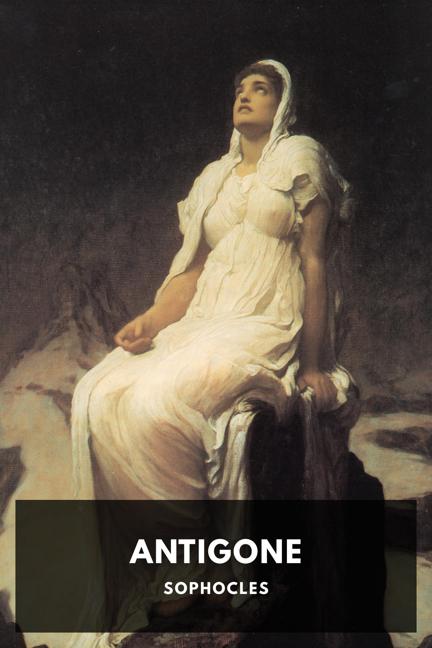
I read Antigone by Sophocles after finishing Oedipus Rex. Both are part of the Theban Trilogy, which I grabbed from Standard Ebooks.
Antigone picks up after the events of Oedipus Rex. The play focuses on Antigone, daughter of Oedipus, who defies the new king’s order and buries her brother’s body—an act punishable by death. The king, Creon, has forbidden the burial because her brother was considered a traitor. Antigone believes the laws of the gods supersede the laws of men, and she’s willing to die for that principle.
The whole play revolves around this central conflict: individual conscience versus state authority, divine law versus human law, family duty versus civic duty.
What I Liked
The themes are timeless. Justice, right and wrong, love, duty—Antigone wrestles with all of them. And what’s most incredible to me is just how old this play is. Humans thousands of years ago were using metaphor and literature to think about the exact same moral questions we’re still grappling with today.
That’s the real power of the play. Not necessarily the plot or even the characters themselves, but the realization that these fundamental human conflicts haven’t changed. We’re still arguing about whether laws are just simply because they’re laws. We’re still debating when civil disobedience is justified. We’re still trying to figure out what we owe our families versus what we owe society.
It’s a short read. You can finish it in an afternoon. And being able to read it as an ebook makes it even more accessible—no hunting down a physical copy or squinting at tiny academic press font.
What I Didn’t Like
Not much, honestly. It’s a Greek tragedy, so it can feel a bit stylized if you’re not used to the form. The chorus passages might slow some readers down.
Lessons Learned
The play makes you think about where you draw your own lines. What would you defy your government for? What principles are worth dying for? When does loyalty to family trump loyalty to the state—or vice versa?
These aren’t abstract questions in the play. They’re embodied in characters making real choices with real consequences. And that’s why the play has lasted 2,400 years.
If you’ve read Oedipus Rex or you’re interested in the foundations of Western literature, Antigone is absolutely worth your time.
- Timeless themes about justice, duty, and civil disobedience remain relevant 2,400 years later
- Short and accessible read, easy to finish in an afternoon
- Forces readers to examine their own ethical boundaries and principles
- Greek tragedy style can feel stylized for modern readers
- Chorus passages may slow down the reading pace